Daniel Norris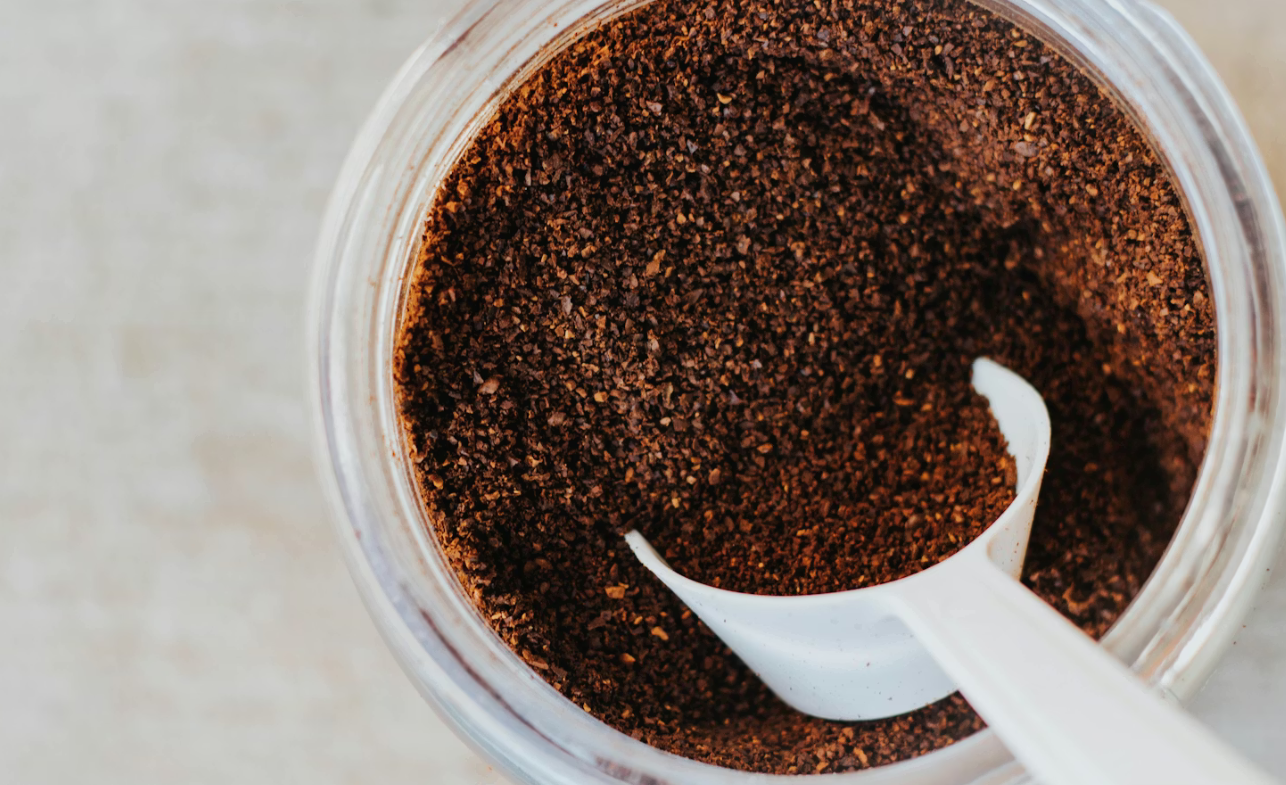
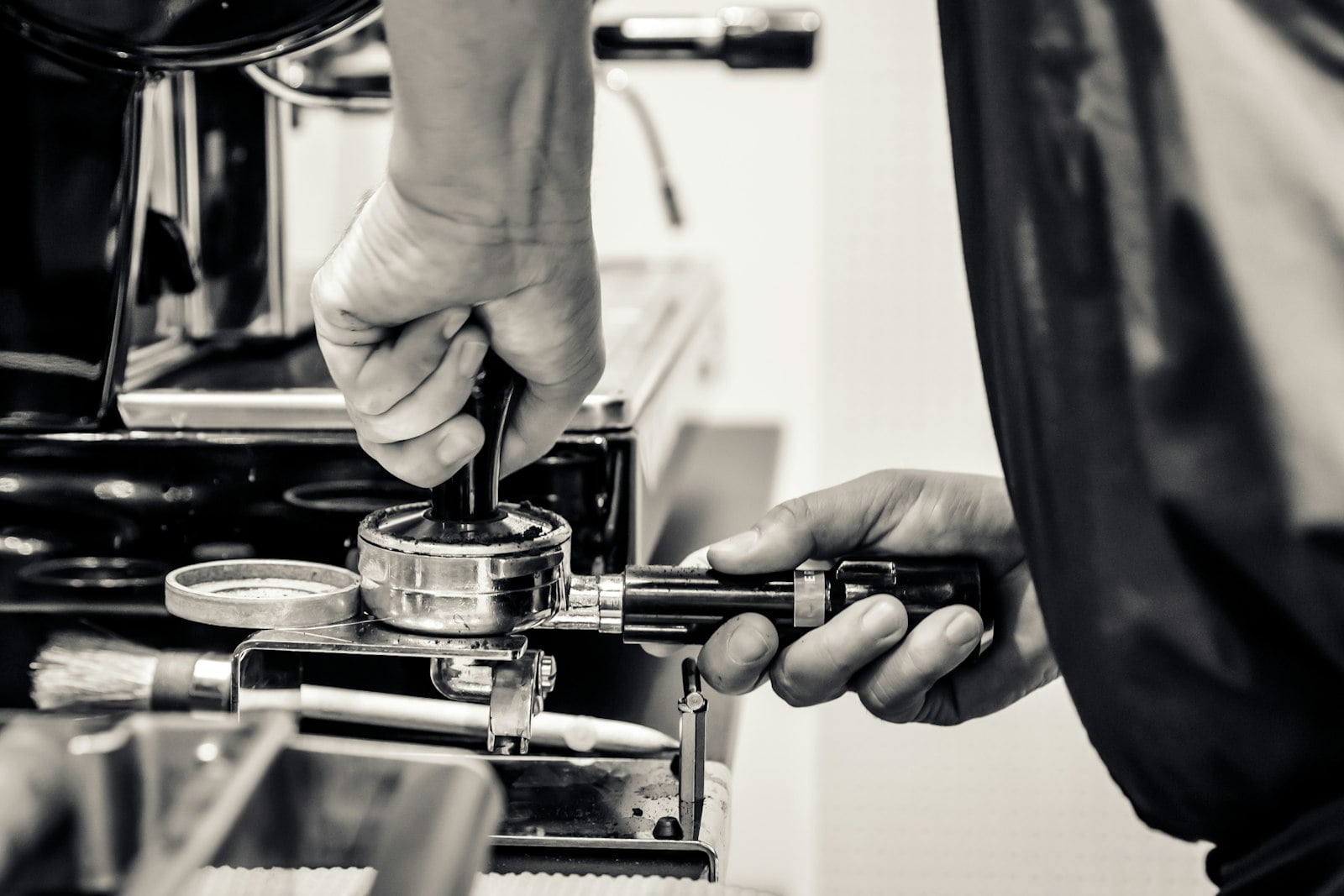
If you are anything like me, you go through a significant amount of coffee every week. And if you are brewing at home, that means you are generating a lot of waste. Every morning, I knock a heavy, wet puck of espresso grounds into my knock box, and for the longest time, I just dumped it straight into the trash.
But living in a condo filled with potted plants my wife and I started wondering if I was throwing away free fertilizer. We’ve all heard the old wives' tales, but I wanted to know the truth: are coffee grounds good for plants, or am I just going to kill my fiddle leaf fig?
The short answer is yes, but you have to be careful, especially with indoor plants.

The Benefits: Nitrogen and Nutrients
Coffee grounds are actually a fantastic source of nitrogen. In the gardening world, nitrogen is one of the key ingredients for green, leafy growth. They also contain potassium and phosphorus, making them a pretty well-rounded organic fertilizer.
If you have a compost pile, coffee grounds are considered "green" compost material (even though they look brown). Throwing your used grounds into the compost bin is hands-down the best way to use them. They heat up the pile and break down into rich, black earth.
Using Coffee Grounds on Indoor Plants
Since I live in a condo, I don't have a massive compost pile in the backyard. I have pots. Using coffee grounds directly on indoor plants requires a bit more caution.
1. Don't create a mold farm
The biggest mistake people make is dumping wet, soggy grounds directly onto the soil of a potted plant. Wet coffee grounds are a breeding ground for mold and fungus. If you layer them too thick, they form a crust that stops water and air from getting to the roots.
The Fix: Spread the grounds out on a baking sheet and let them dry completely before sprinkling a thin layer onto your soil. Or, mix them into the soil when you are repotting.
2. Watch the acidity
Coffee grounds are slightly acidic. This is great for acid-loving plants like African Violets, Ferns, or (if you have outdoor space) Azaleas and Hydrangeas. However, some plants prefer neutral soil, so don't treat every plant in your house to a coffee buffet without checking what they like first.
3. The "Coffee Tea" Method
Instead of putting the grounds on the soil, you can soak a cup of used grounds in a bucket of water overnight. Then strain out the grounds and use the liquid to water your plants. It’s a gentler way to deliver those nutrients without the risk of moldy clumps on your soil.
The Cycle of Good Coffee
It feels good to close the loop, turning a morning brewing ritual into free fuel for the greenery in your home. Just remember to dry those grounds out first, and your fiddle leaf fig will thank you.
But of course, before you can start fertilizing your plants, you need to actually brew the coffee. Having a dedicated, organized station to prep your morning cup (and easily empty your knock box) makes the whole process better. I have written deep-dive guides on how I organize my own counters for both workflows:
- For the Drip Lovers: My Work From Home Guide to the Best Coffee Setup
- For the Espresso Heads: My Work From Home Guide to the Best Espresso Setup
And remember, the best brewer in the world can't save bad beans. I use Trade Coffee to ensure I always have fresh, single-origin bags ready to grind.
Disclosure: This post contains affiliate links. If you buy something through them, I may earn a small commission, at no extra cost to you. It helps fuel the coffee, the testing, and the writing. Thanks for supporting the work.