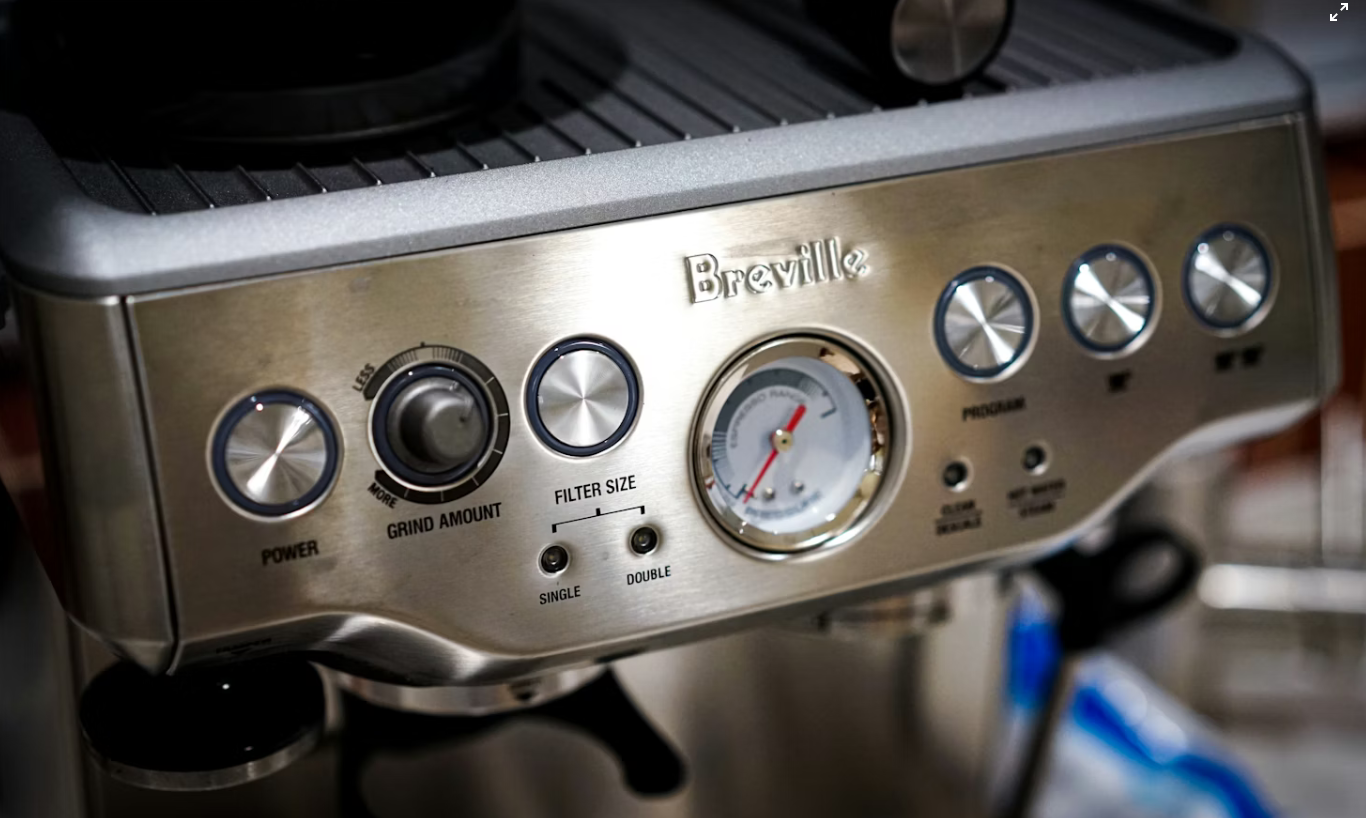
I get it. The idea of a 3-in-1 coffee machine is appealing. One appliance that brews espresso, makes drip coffee, and froths milk for cappuccinos. Save counter space,...


If you're getting into espresso at home, one of the first things you'll realize is that the drink menu is bigger than you expected. Cortado, americano, cappuccino, latte, flat white, macchiato... they all start with espresso, but the results are wildly different depending on how much milk, water, or foam you add.
I've been pulling shots on my Gaggia Classic Pro for a while now, and I've worked through most of these drinks enough times to have strong opinions about each one. This is my cheat sheet for every major espresso-based drink, what makes each one different, and which ones are actually worth your time.
Every drink on this list starts with the same thing: a shot (or double shot) of espresso. That's coffee brewed under high pressure, usually around 9 bars, which extracts a concentrated, full-bodied shot in about 25 to 30 seconds. The grind, dose, and pressure all matter, which is why a proper espresso setup makes such a difference.
The variation comes from what you do after you pull the shot. Add hot water and you get an americano. Steam some milk and you're in cortado or latte territory. The ratios and textures change the entire experience, even though the espresso base stays the same.
Before we get into the drinks, it's worth understanding what you're working with. A standard double shot (doppio) is about 2 ounces of concentrated coffee. It should have a layer of crema on top, a balanced flavor profile that hits sweet, bitter, and acidic notes without any one dominating, and a thick, syrupy body.
If your shots taste sour, they're under-extracted (grind finer or extend the pull time). If they taste harsh and bitter, they're over-extracted (grind coarser or shorten the pull). Getting this right is the foundation for every drink below.
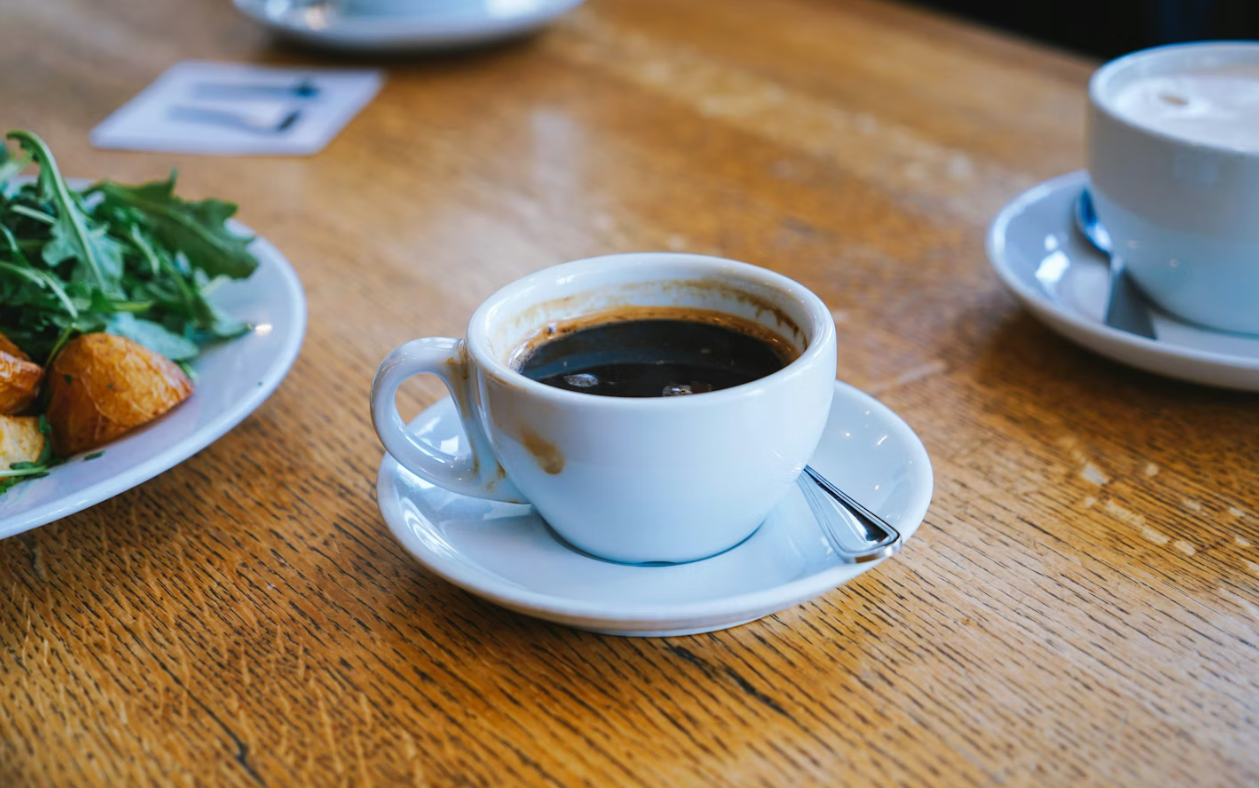
An americano is espresso diluted with hot water, usually at a ratio of about 1:2 or 1:3. It gives you a coffee that's closer in strength and volume to drip, but with the flavor profile of espresso. No milk, no foam, just espresso and water.
I make americanos when I want something lighter than a straight shot but don't feel like steaming milk. It's also a great way to evaluate your espresso quality since there's nothing to hide behind. If you want to go deeper on the americano, I wrote about the best setup for making americanos at home.
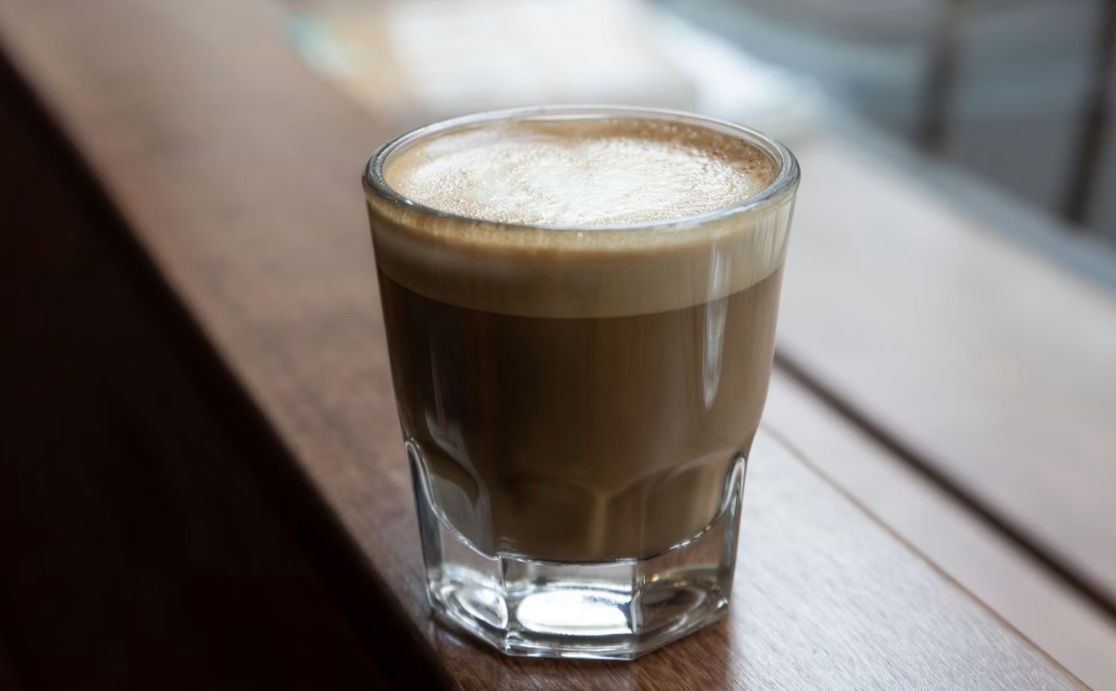
The cortado is a 1:1 ratio of espresso to steamed milk. Double shot, equal amount of lightly steamed milk, no foam. It's small, punchy, and lets the espresso do the talking while the milk just takes the edge off.
This is my favorite espresso drink, and I've written about it extensively. If you want the full breakdown, check out my posts on why the cortado is my go-to espresso with milk and why the milk-to-espresso ratio matters so much. The short version: if you care about tasting the coffee and not just the milk, start here.
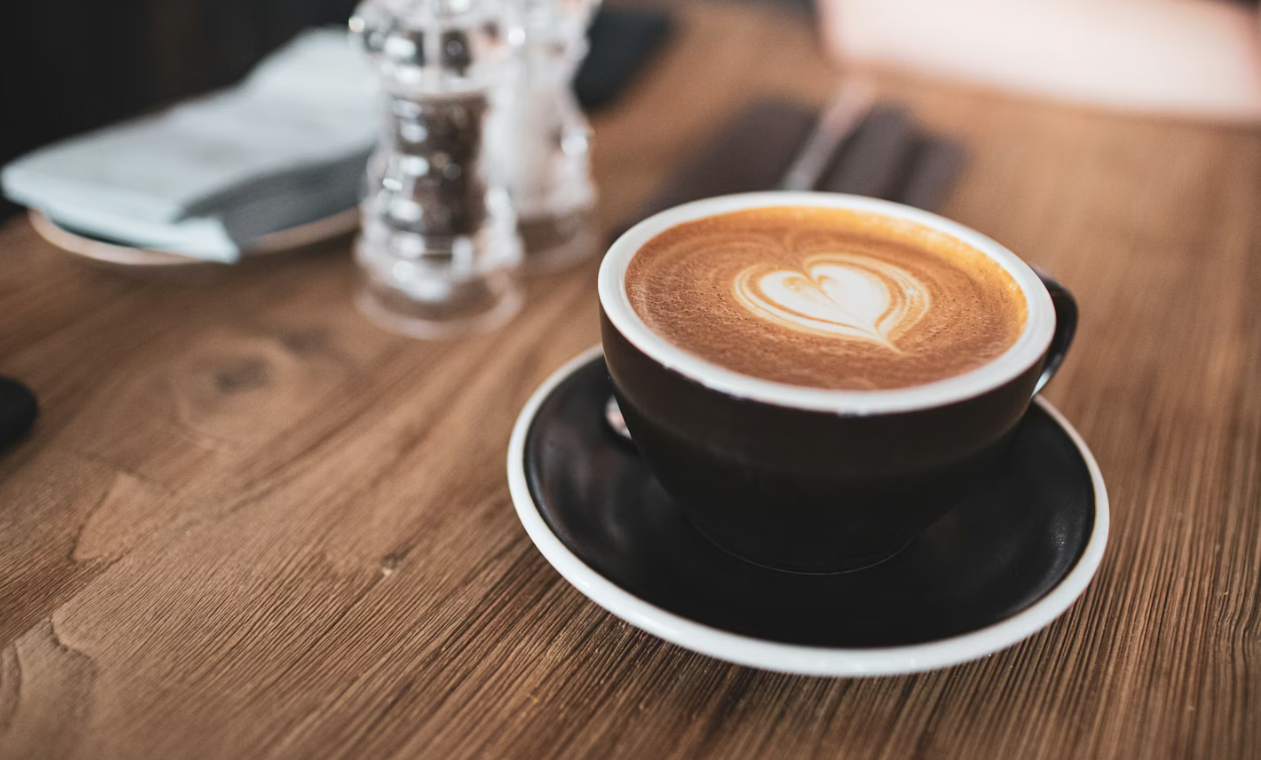
A cappuccino is traditionally equal parts espresso, steamed milk, and milk foam. That thick, airy foam layer on top is what sets it apart from a latte or cortado. A well-made cappuccino has structure. The foam should be dense and velvety, not bubbly and thin.
I'll be honest, I don't make cappuccinos as often as cortados. The foam layer can mask the espresso flavor if it gets too thick, and getting consistent microfoam takes practice with a steam wand. But when it's dialed in, a cappuccino is a satisfying drink, especially in the morning.
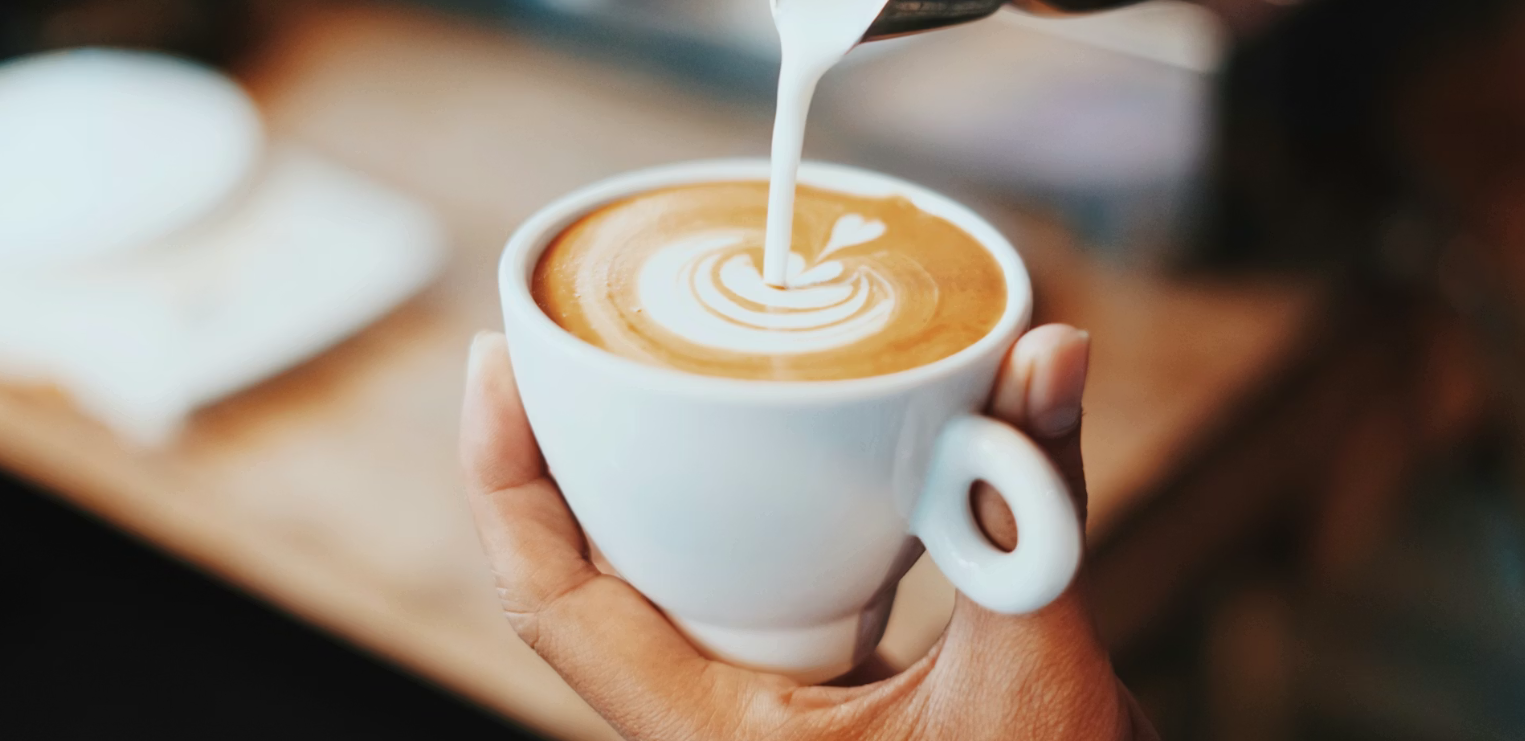
A latte is espresso with a lot of steamed milk and just a thin layer of foam on top. The ratio is usually around 1:3 or 1:4 espresso to milk. It's the mildest espresso drink on this list, which is why it's so popular. The milk does most of the heavy lifting flavor-wise.
If you're making lattes at home, the key is pulling a strong, concentrated shot that can actually punch through all that milk. A weak shot will taste like warm milk with a vague coffee flavor. I covered the best machine setup for lattes in my espresso latte machine guide. And if you're into iced lattes (which are fantastic in the summer), check out my espresso machine for iced lattes post.
The flat white sits somewhere between a cortado and a latte. It uses a double shot of espresso with steamed milk, but less milk than a latte and with microfoam instead of the thick foam you'd find on a cappuccino. The result is a drink where the espresso and milk are more integrated, with a velvety texture throughout.
This is an Australian/New Zealand invention, and if you've ever been to a specialty shop in Melbourne, you know how seriously they take it. The flat white is all about texture. The milk should be stretched just enough to create that glossy, paint-like microfoam that blends seamlessly with the shot. It's more espresso-forward than a latte but smoother than a cortado.
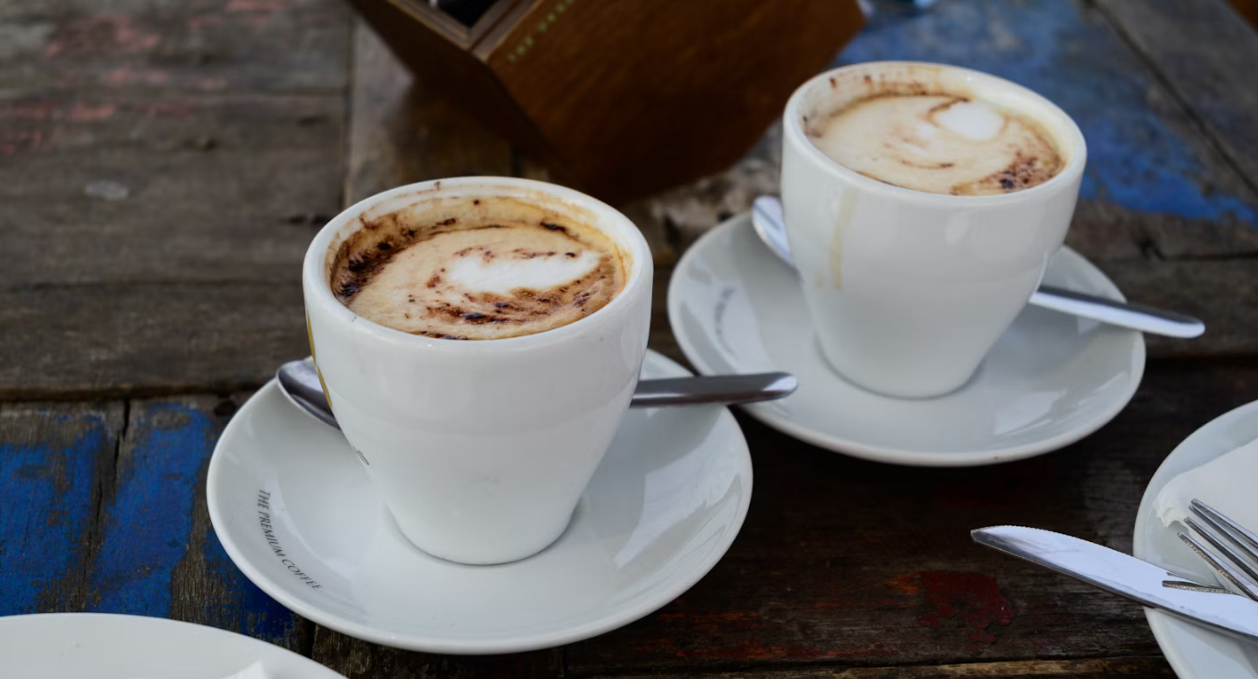
A traditional macchiato (espresso macchiato, not the Starbucks kind) is a shot of espresso "stained" with just a small dollop of steamed milk or foam. We're talking maybe a teaspoon or two of milk on top of a double shot. It's barely different from drinking straight espresso, but that tiny bit of milk softens the intensity just enough.
Don't confuse this with a "caramel macchiato" or whatever the chains serve. A real macchiato is tiny, strong, and espresso-dominant. If you like your coffee bold and don't want milk to play a starring role, this is your drink.
If you're just starting to pull espresso at home, here's my honest ranking of where to begin:
Start with the americano. It's forgiving, requires no milk steaming, and teaches you to evaluate shot quality on its own.
Then try the cortado. It introduces milk without overwhelming the espresso. You'll learn basic steaming technique without needing to produce perfect microfoam.
Then experiment with lattes and cappuccinos. These are more milk-heavy and require better steaming skills, but they're crowd-pleasers if you're making drinks for other people.
Save the flat white and macchiato for when your shots are dialed in. These drinks have nowhere to hide. If your espresso is off, you'll taste it immediately.
Every drink on this list comes down to two things: good espresso and (for most of them) properly steamed milk. My setup is the Gaggia Classic Pro paired with a quality burr grinder. The Gaggia handles everything from straight shots to steaming milk for lattes, and it does it at a price point that makes sense for a home setup.
Once you have the hardware, the variable that matters most is your beans. Fresh, quality beans make every drink on this list better. I use specialty roasted coffee and store it in a Fellow Atmos Vacuum Canister to keep it fresh between uses.
Espresso-based drinks aren't complicated once you understand the ratios and technique behind each one. Start simple, pay attention to your shots, and work your way through the menu. You'll find your favorite faster than you think.
Some links in this post are affiliate links. If you purchase through them, I may earn a small commission at no extra cost to you. I only recommend products I personally use and believe in.
I get it. The idea of a 3-in-1 coffee machine is appealing. One appliance that brews espresso, makes drip coffee, and froths milk for cappuccinos. Save counter space,...
I independently research and test products to help you make the best choice. As an Amazon Associate I earn from qualifying purchases at no extra cost to you.