Daniel Norris
I independently research and test products to help you make the best choice. As an Amazon Associate I earn from qualifying purchases at no extra cost to you.
Most of what gets labeled "gourmet coffee beans" isn't gourmet at all. It's a marketing term slapped on bags of coffee that were roasted weeks or months ago, sitting on a shelf under fluorescent lights, slowly going stale. Real gourmet coffee, the kind that actually tastes like something, comes down to two things: the quality of the beans and how fresh they are when you brew them.
I've spent way too much time and money figuring this out. But the good news is, once you know where to look and how to brew, gourmet coffee at home is not only possible, it's better than what most cafés serve. Here's what I've learned.
What Makes Coffee Beans "Gourmet"
The word "gourmet" doesn't have a regulated definition in the coffee industry, which is part of the problem. Anyone can put it on a label. But when coffee people use the term meaningfully, they're talking about specialty-grade beans, coffee that scores 80 or above on the Specialty Coffee Association's 100-point scale. These beans are grown at higher altitudes, picked at peak ripeness, and processed with more care than commodity coffee.
What does that mean in your cup? More complexity. Instead of just tasting like "coffee," you get distinct flavors, chocolate, fruit, nuts, florals, depending on where the beans were grown and how they were processed. Ethiopian beans might taste like blueberries. A washed Colombian might have caramel and citrus. A natural-processed Brazilian could give you chocolate and peanut butter. This is what makes specialty coffee worth paying attention to.
But here's the catch: none of that matters if the beans are stale. Even the best specialty beans in the world taste flat and lifeless once they're past their prime. You want beans that were roasted within the last two to four weeks, and a roast date on the bag, not just a "best by" date.
Where to Find Beans Worth Drinking
The easiest way I've found to consistently get fresh, high-quality beans at home is through Trade Coffee. They partner with over 55 small roasters across the country and match you with beans based on your taste preferences. Every bag ships within days of roasting, so freshness is never a question.
What I appreciate about Trade is the variety. You're not locked into one roaster's catalog — you get access to a rotating selection of single-origin and blended coffees from people who actually care about what they're roasting. I've discovered beans through Trade that I never would've found on my own, and it takes zero effort on my end. Tell them what you like, they send something good. It's that simple.
If you want to go the local route, find a roaster near you who prints roast dates on their bags and can tell you where the beans came from. If the bag just says "100% Arabica" with no origin info, that's a pass.
👉 Get matched with fresh gourmet beans from Trade Coffee
The Equipment That Actually Matters
Great beans deserve equipment that won't waste them. You don't need to spend thousands, but there are a few things that make a real difference.
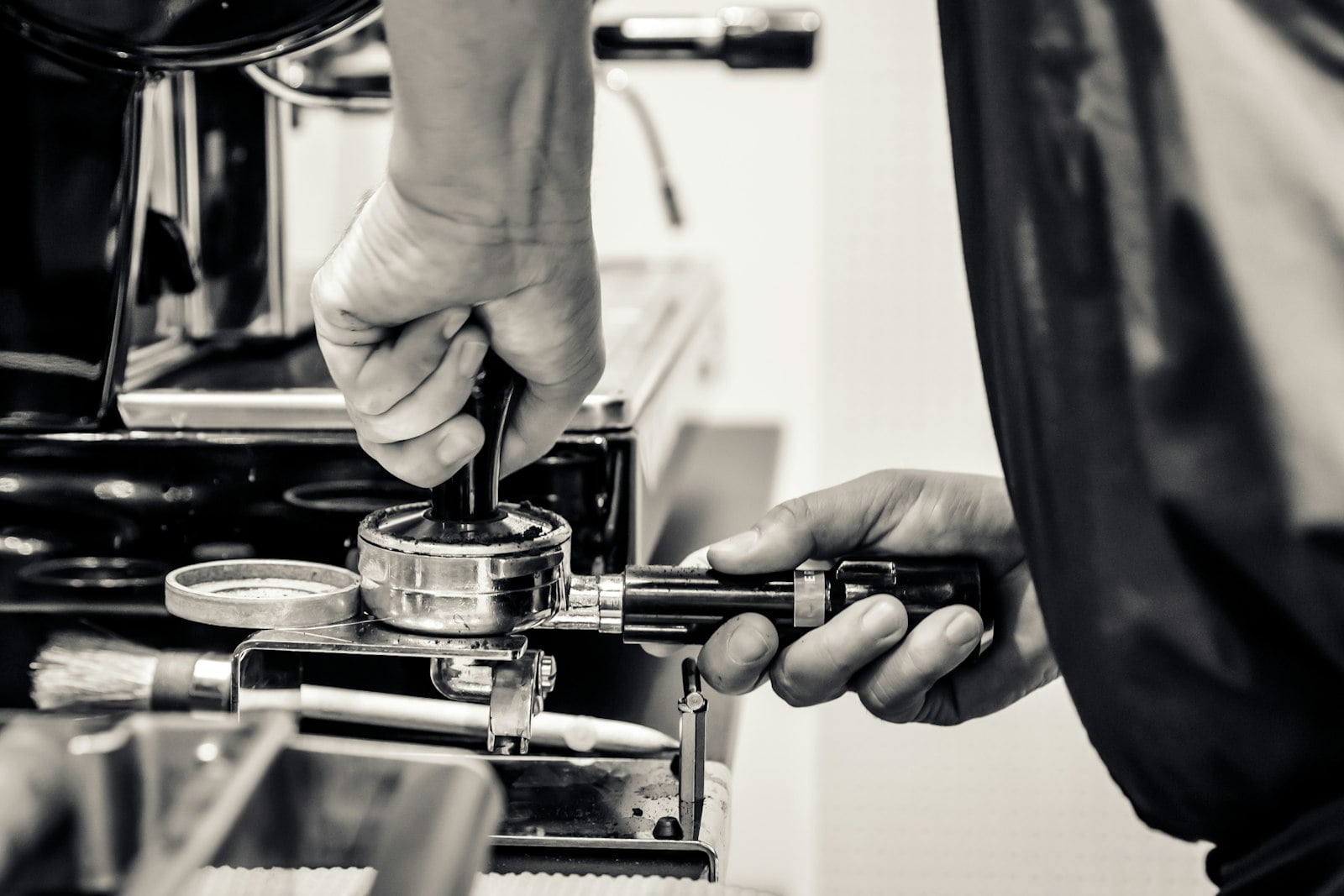
If you're into espresso, and gourmet beans make incredible espresso, the Gaggia Classic Pro is the machine I use and recommend. It's a semi-automatic with a commercial-style 58mm portafilter, a three-way solenoid valve, and enough temperature stability to pull genuinely good shots. It's the entry point into real espresso without cutting corners on the things that matter. I've had mine for a while now, and it consistently punches well above its price point.
The Gaggia is where a lot of home espresso journeys start, and for good reason, it gives you real control over your shots without the learning curve (or price tag) of a prosumer machine. Pair it with fresh, specialty-grade beans and a decent grinder, and you're pulling shots that rival your local café.
Speaking of grinders: the Timemore Sculptor 064S is what I use for espresso. Grind quality matters more than most people realize, arguably more than the espresso machine itself. A consistent, fine grind is what gives you even extraction and that sweet, balanced shot instead of something bitter or sour.
For pour-over and drip, the Hario V60 is hard to beat for the price. It's a clean, transparent brew method that lets the nuance in gourmet beans really come through. Add a Fellow Stagg Kettle for precise pour control, and you've got a setup that makes the most of every gram of coffee.
Storing Beans the Right Way
This is where a lot of people fumble. You spend good money on quality beans, then leave them in the bag on the counter with a rubber band around it. Within a week, they're already losing flavor.
I store mine in a Fellow Atmos Vacuum Canister. It pulls air out with a twist of the lid, which slows oxidation and keeps beans tasting fresh significantly longer. It's one of those small investments that pays for itself quickly when you're buying specialty coffee. You can taste the difference between beans stored in an Atmos versus an open bag, it's not subtle.
Beyond storage: buy in quantities you'll use within two to three weeks. Resist the urge to stock up on five bags just because they're on sale. Freshness always wins.
The Bottom Line on Gourmet Coffee at Home
Gourmet coffee beans at home isn't complicated. It comes down to three things: get fresh beans from a roaster who cares, grind them right before brewing, and use equipment that doesn't get in the way. You don't need a coffee shop setup — you need fresh beans, a good grinder, and a brew method you enjoy using.
Start with the beans. Everything else follows from there.
👉 Find your next favorite beans with Trade Coffee
Want to see the full setups I use at home?
Here's my Work From Home Guide to the Best Espresso Setup (built around the Gaggia Classic Pro) and my Guide to the Best Coffee Setup for drip and pour-over.