

I independently research and test products to help you make the best choice. As an Amazon Associate I earn from qualifying purchases at no extra cost to you.
Espresso vs cappuccino is a strange comparison once you know what is in each cup, because they are the same drink with one addition. Same beans, same grind, same shot underneath. A cappuccino is that shot with about five ounces of steamed milk and foam on top.
My pick is the espresso, and it is not close. If I am spending the time to dial in a shot, I want to taste the shot. But the cappuccino earns its place a few mornings a week, and there is a specific case where it is the better drink. Here is what actually changes when the milk goes in.
What an Espresso Is
An espresso is about 36 grams of liquid pulled from 18 grams of ground coffee under nine bars of pressure, in roughly 25 to 30 seconds. It lands in a two ounce cup with a layer of crema on top.
That is the entire drink. Nothing added, nothing hidden. Which is also the point: an espresso tells you the truth about your beans, your grinder, and your technique, whether or not you want to hear it. A sour shot means the grind is too coarse. A harsh one means it ran too long. There is nowhere for a mistake to go.
The reward is that you taste the actual coffee. Origin, roast, processing, all of it lands in the cup undiluted. A good Ethiopian pulled well tastes like fruit. A good Brazilian tastes like chocolate. You cannot get that from anything with milk in it.
What a Cappuccino Is
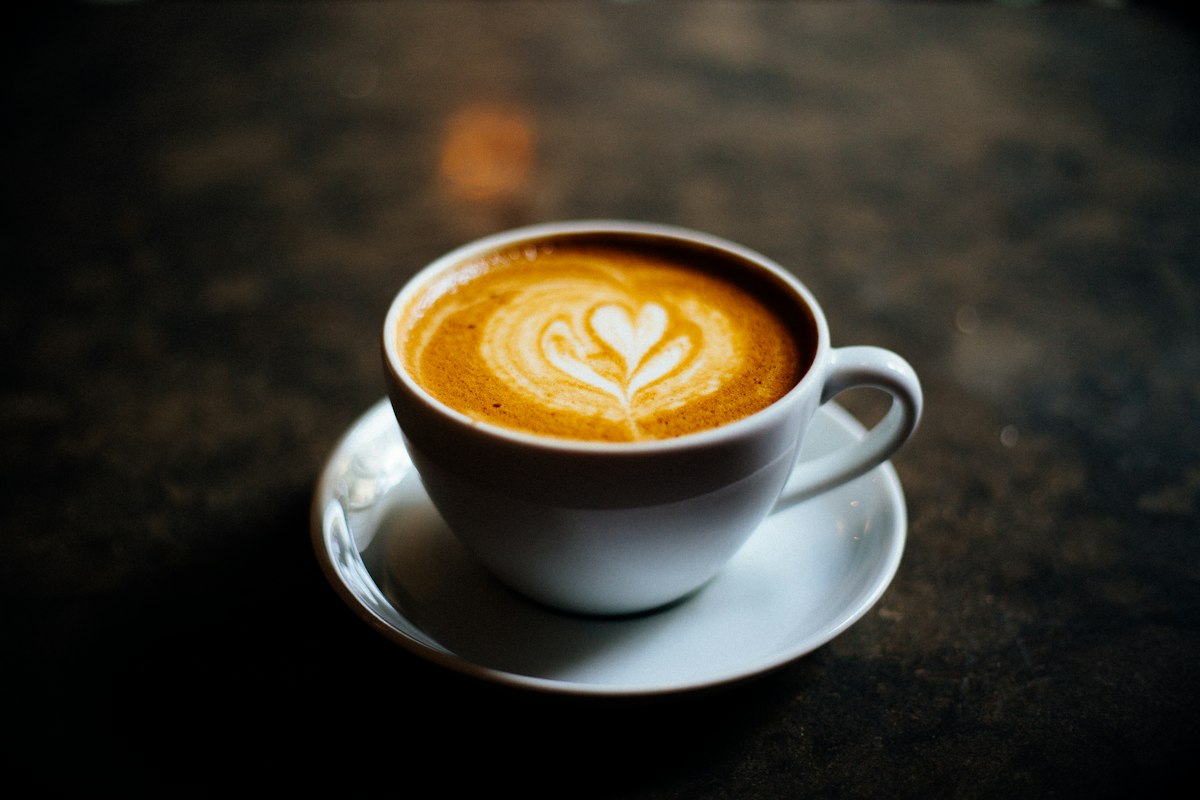
A cappuccino is traditionally equal thirds: espresso, steamed milk, and milk foam. In practice most cafes build it as a double shot in a five to six ounce cup, topped with foam thick enough to hold its shape.
The foam is the whole identity of the drink. It is what separates a cappuccino from a latte, and it is the reason a well-made one feels almost like drinking something whipped. When the foam is dense and glossy rather than bubbly, a cappuccino is genuinely excellent.
The catch is that most cappuccinos are not well made. The drink has quietly turned into a latte in a smaller cup at a lot of places, and when the foam gets thick and airy instead of fine and wet, it muffles the espresso underneath. You end up drinking texture instead of coffee.
Espresso vs Cappuccino: Where They Differ
Four things change when the milk goes in, and only one of them is the one people expect.
| Espresso | Cappuccino | |
| Volume | About 2 oz | 5 to 6 oz |
| Milk | None | Steamed milk plus foam |
| Caffeine | Same double shot | Same double shot |
| Coffee flavor | Undiluted | Softened, rounder |
| Skill needed | Grind and extraction | Grind, extraction, and steaming |
| Time to make | About a minute | Three or four minutes |
Caffeine is the one that surprises people. A cappuccino made with a double shot has exactly the same caffeine as that double shot on its own. Milk does not add caffeine and it does not remove any. The cappuccino feels gentler because it is larger and sweeter, not because it is weaker.
Flavor is where the real trade sits. Milk adds sweetness and body and takes away clarity. The bright acidity in a light roast mostly vanishes. A chocolatey medium roast, on the other hand, gets better, because milk amplifies exactly those notes.
Skill is the underrated difference. A good espresso needs one thing done right. A good cappuccino needs that same thing plus properly textured milk, which is a separate craft that takes real practice. Most bad cappuccinos at home are not bad shots, they are bad milk.
The Deciding Factor
It comes down to what you want the coffee to do.
When a new bag arrives, I pull it as espresso for the first few days. That is the only way to find out what the roaster was going for. Once I know the bean, I decide whether it deserves milk. Some do. A rich Brazilian or a chocolatey blend is better in a cappuccino than it is on its own.
But here is my honest position, and it is the reason the espresso wins for me. When I do want milk, I usually do not reach for a cappuccino. I make a cortado instead, roughly equal parts espresso and steamed milk with no foam layer. It gives me the softness of a milk drink without burying the shot under three ounces of foam. I have written about why the cortado is my favorite espresso with milk and the ratio I use to make one.
So the cappuccino loses twice in my kitchen. It loses to espresso when I want to taste coffee, and it loses to the cortado when I want milk.
When the Cappuccino Is the Better Call
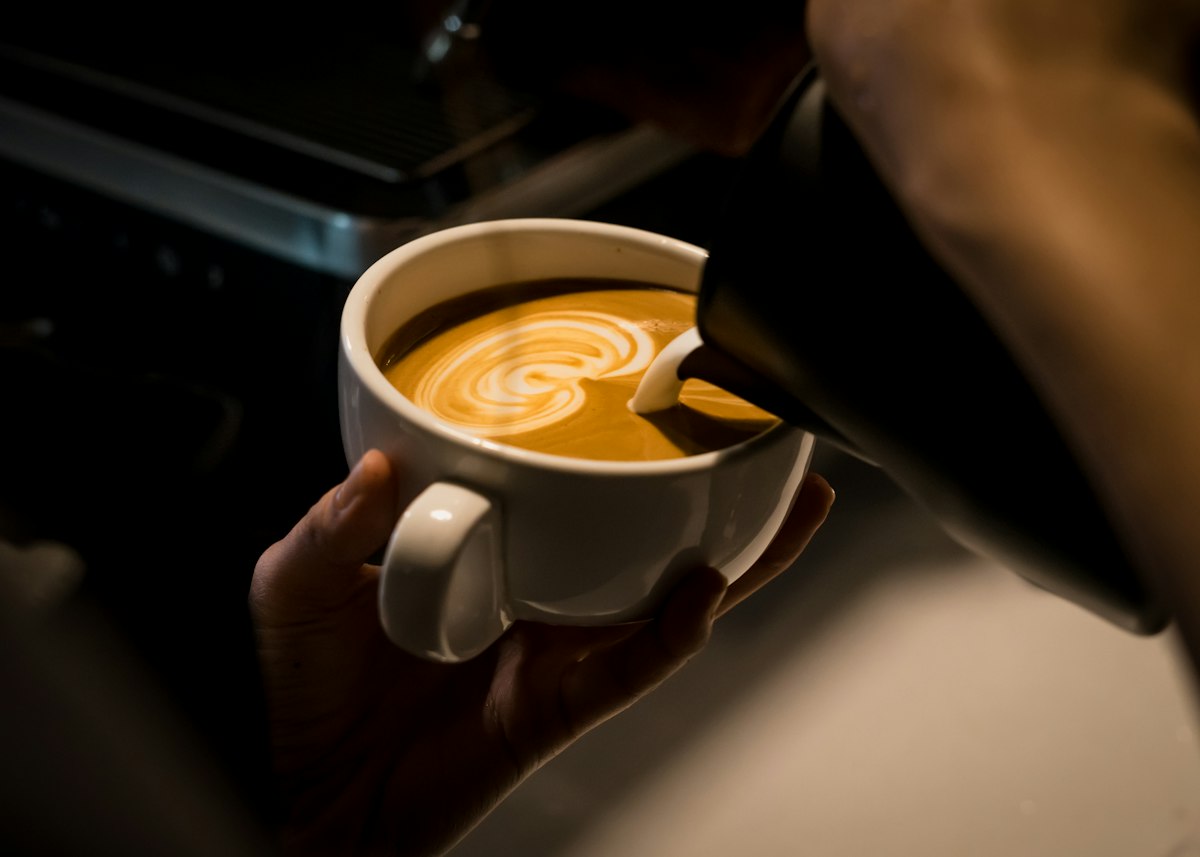
Photo by Jayden Sim on Unsplash
Three situations, and they are all legitimate.
You are making coffee for someone else. A cappuccino is a crowd pleaser in a way a straight double is not. Hand a guest an espresso and half the time you get a polite face.
You want the drink to last. An espresso is over in two sips. Sometimes the point of the coffee is to sit with it for twenty minutes, and two ounces will not do that.
Your beans are darker than you would like. If a bag is roasted past where you enjoy it black, milk is a genuine fix, not a cop-out. A cappuccino turns a slightly scorched dark roast into a good drink.
And if your cappuccinos taste weak, try pulling the shot shorter before you blame the milk. A ristretto base carries through five ounces of milk far better than a full double does.
The Verdict
Espresso, for me, most mornings. It is the drink that tells you whether everything upstream was done right, and it is the reason I bought a real machine in the first place.
Both drinks come off the same equipment, though, so this is not a decision you have to make at the store. My machine is the Gaggia Classic Pro, a semi-automatic with a commercial 58mm portafilter and a steam wand that actually textures milk rather than just heating it. It pulls the espresso and makes the cappuccino, which is the whole argument for buying a real machine instead of a pod one. My full take is in my Gaggia Classic Pro review.
👉 Check the current price of the Gaggia Classic Pro on Amazon
If cappuccinos are what you are after, the pitcher matters more than you would think. I use an MHW-3BOMBER milk frothing pitcher, stainless with a sharp spout, and the spout is what makes the foam pourable instead of spoonable. A cheap round-lipped jug is the reason a lot of home cappuccinos come out looking like bubble bath.
👉 Grab the MHW-3BOMBER milk frothing pitcher on Amazon
Either way, the grinder is doing more work than either drink lets on. Mine is the TIMEMORE Sculptor 064S, and no espresso machine at any price fixes an inconsistent grind. If you are choosing where to spend, spend here first, and my home espresso grinder guide explains why.
👉 See the TIMEMORE Sculptor 064S on Amazon
Still working out the rest of the menu? My espresso drinks cheat sheet covers every drink in plain English, and the espresso macchiato is the small step between a straight shot and a full milk drink.
Pull a double, drink half of it straight, then steam some milk and pour it into the rest. That side by side will settle the espresso vs cappuccino question for your palate better than my opinion will.
Once you know which one you are actually making most mornings, the rest of the counter starts to organize itself around it.
Regardless of which method you choose, you need the right station to support it. I have written deep-dive guides on how I organize my own counters for both workflows:
- For the consistent drip: My Work From Home Guide to the Best Coffee Setup
- For dialed Espresso: My Work From Home Guide to the Best Espresso Setup
And remember, the best brewer in the world can't save bad beans. I use Trade Coffee to ensure I always have fresh, single-origin bags ready to grind.

Featured photo by Jason W on Unsplash
Disclosure: This post contains affiliate links. If you buy something through them, I may earn a small commission, at no extra cost to you. It helps fuel the coffee, the testing, and the writing. Thanks for supporting the work.