I independently research and test products to help you make the best choice. As an Amazon Associate I earn from qualifying purchases at no extra cost to you.


I independently research and test products to help you make the best choice. As an Amazon Associate I earn from qualifying purchases at no extra cost to you.
I drink my coffee black or as a cortado, but my wife Jess often enjoys some coffee creamer added into her cup. A few years back she picked up a bottle of flavored creamer from the store, looked at the ingredient list, and put it back on the shelf. Hydrogenated oils, a half dozen things she could not pronounce, and barely any actual cream or milk.
So this is why we recommend making it yourself. It is shockingly easy, costs almost nothing, and it tastes better than anything you will get in a store. If you have been wondering whether the homemade route is worth it, this is your push.
I will get to the recipes in a minute. But the most important thing is that homemade coffee creamer only matters if the coffee underneath it is actually good. That is where I lean on my Trade Coffee subscription for fresh, single-origin beans, and it changes the whole equation, even for the creamer crowd.
Three reasons, in order: ingredients, flavor, and cost.
You control what goes in. Real cream, real milk, real vanilla, real maple syrup or honey if you want it sweet. No seed oils, no carrageenan, no mystery "natural flavors" that taste like a candle. Your coffee starts to taste like coffee again, with a soft round edge instead of an artificial one.
The flavor is night and day. Store creamer is engineered to survive on a shelf for months. A homemade batch is meant to live in your fridge for a week. That freshness shows up in the cup immediately, and Jess clocked the difference on day one.
And the cost is not even close. A small bottle of flavored creamer at the store runs around five or six dollars. A homemade batch in the same volume costs us roughly a dollar fifty in ingredients. Over a year of daily coffee, that adds up fast.
You do not need a cookbook for this. You need a jar, a whisk, and about four minutes.
1. Classic Sweet Cream. One cup of whole milk, half a cup of heavy cream, two tablespoons of maple syrup or sugar, and one teaspoon of vanilla extract. Whisk it together in a mason jar, pop the lid on, and store it in the fridge. Lasts about seven days. This is Jess's daily pour for batch brew off the Moccamaster.
2. Vanilla Brown Sugar. Same base, but swap maple syrup for two tablespoons of brown sugar and bump the vanilla to a tablespoon. Warm it gently on the stove first to fully dissolve the sugar, then chill before using. The flavor is closer to a sweet bakery latte and pairs especially well with darker roasts.
3. Salted Honey Oat. If you are dairy free, use one and a half cups of unsweetened oat milk, two tablespoons of honey, half a teaspoon of vanilla, and a tiny pinch of sea salt. Shake it hard in a sealed jar. The salt is the trick, it rounds out the sweetness and keeps the oat milk from tasting flat.
Pick one, make it tonight, and try it tomorrow morning. You will not look at the dairy aisle the same way.
Here is the trap. People who switch to homemade creamer often double down on better creamer recipes when their coffee tastes flat. The creamer is not the issue. The beans are.
Stale, supermarket pre-ground coffee will taste like cardboard no matter how good the vanilla is. Fresh, single-origin beans roasted within the last few weeks will taste like fruit, chocolate, caramel, all the things the bag promises. That is the actual unlock.
I rely on Trade Coffee to keep fresh roasts in rotation. They ship single-origin bags from small roasters around the country, and crucially for me, they ship free to Hawaii. Even if you take your cup with creamer, the coffee underneath has to do its job for any of this to be worth the effort.
You do not need much. But two things have made the homemade creamer routine actually stick in our kitchen.
The first is a proper milk frothing pitcher. Even if you are not pulling lattes, a good stainless pitcher is the easiest way to mix and lightly heat creamer without splatter. We use the MHW-3BOMBER Milk Frothing Pitcher for steaming milk for cortados, and it doubles for warming up homemade creamer when Jess wants hers hot in the morning.
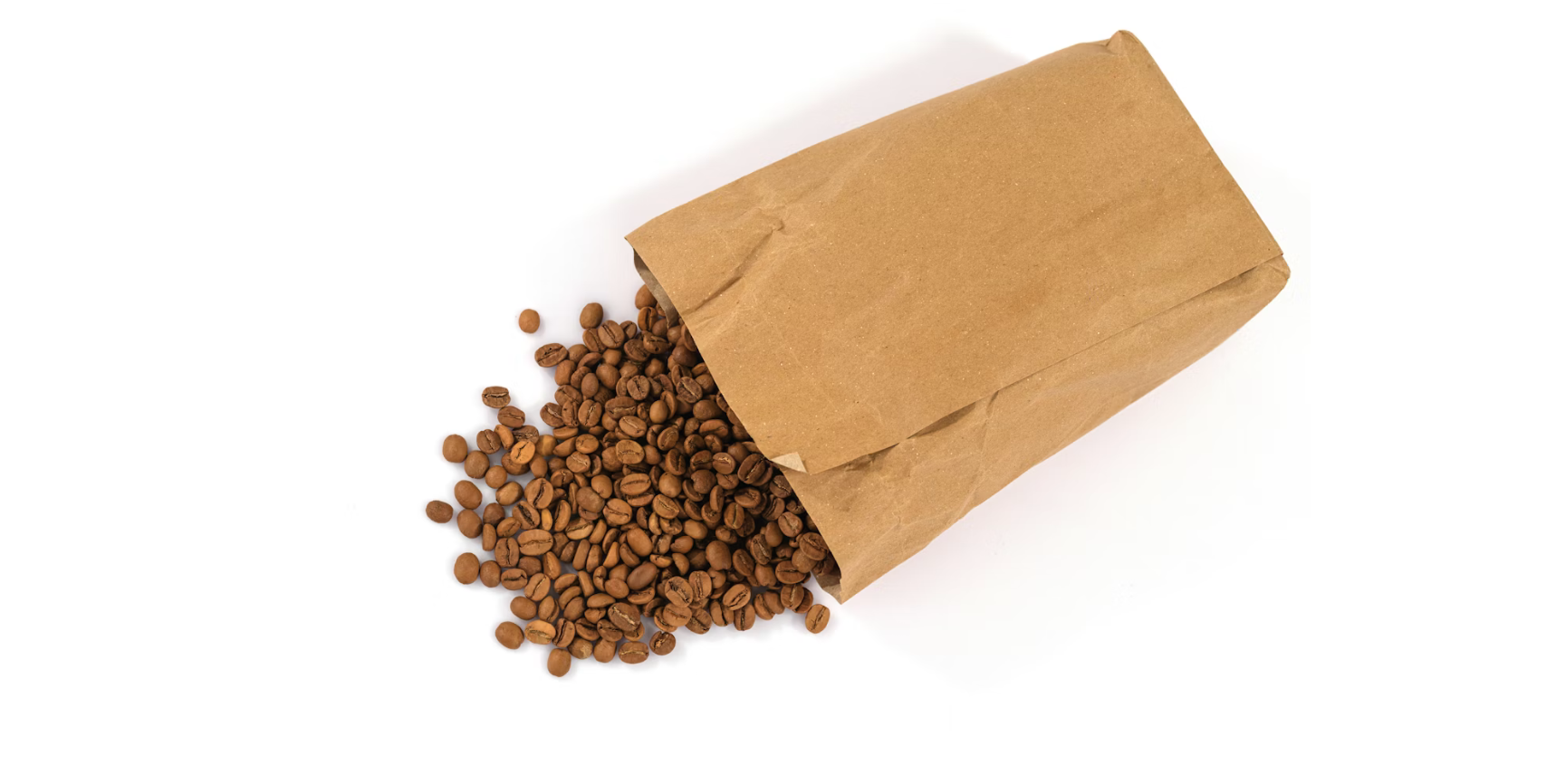
The second is a way to keep your beans fresh. There is no point making clean creamer if your beans are oxidizing in a paper bag on the counter. I store mine in a Fellow Atmos Vacuum Canister, the 1.2L matte black version. It pulls the air out, holds about a bag and a half of beans, and looks clean enough that I do not mind it living on the counter.
A few small things that have tripped us up over the years.
Do not use ultra-pasteurized cream if you can help it, the flavor is duller and the texture is slightly off. Standard pasteurized heavy cream from the regular dairy section is better.
Do not skip the salt in the dairy free version. It sounds wrong but it is the difference between an oat milk creamer that works and one that tastes like watery cereal.
And do not over sweeten on day one. You can always add more sugar in your cup. You cannot pull it back out of the jar.
Homemade coffee creamer is one of those quiet upgrades that costs almost nothing and changes a daily routine. Pick a base recipe, make a small jar tonight, and pair it with beans that are actually fresh. That is the whole game.
If you want to go a step further and clean up the rest of the routine, the brewer and grinder are where I would look next. I have written deep-dive guides on how I organize my own counters for both workflows:
And remember, the best brewer in the world can't save bad beans. I use Trade Coffee to ensure I always have fresh, single-origin bags ready to grind.

Disclosure: This post contains affiliate links. If you buy something through them, I may earn a small commission, at no extra cost to you. It helps fuel the coffee, the testing, and the writing. Thanks for supporting the work.
I independently research and test products to help you make the best choice. As an Amazon Associate I earn from qualifying purchases at no extra cost to you.
I independently research and test products to help you make the best choice. As an Amazon Associate I earn from qualifying purchases at no extra cost to you.