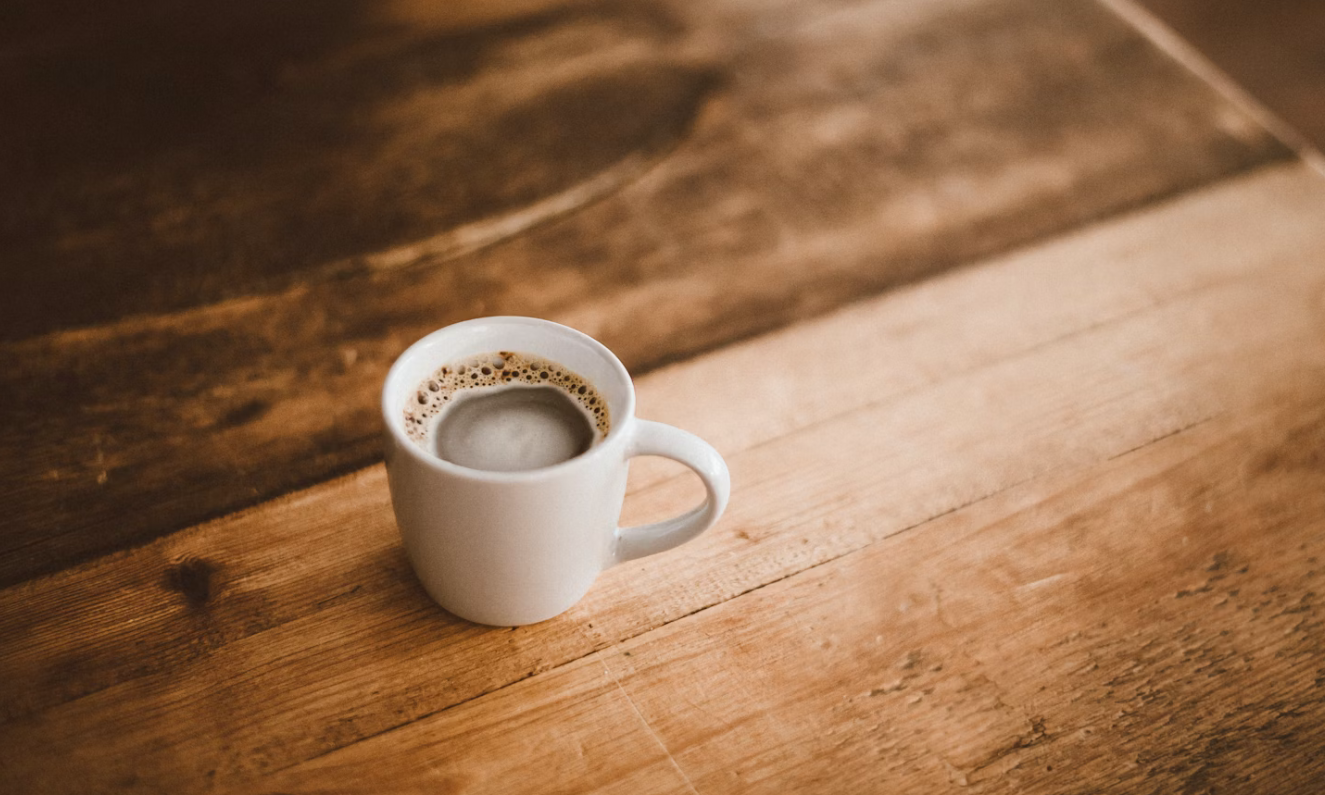
If you order a "black coffee" in a shop, you might get asked a follow-up question: "Americano or Drip?" To the uninitiated, this seems pedantic. Isn't it just hot water...


I independently research and test products to help you make the best choice. As an Amazon Associate I earn from qualifying purchases at no extra cost to you.
Cold brew is one of those things that sounds complicated until you actually make it. And once you do, you'll wonder why you ever paid six dollars for a cup of it. The good news is that making cold brew coffee using a French press is about as simple as it gets. You don't need fancy equipment, you don't need a chemistry degree, and you definitely don't need a dedicated cold brew system taking up counter space.
I started making cold brew at home in my condo here in Hawaii because, frankly, it's hot. Not sometimes hot. Always hot. And the idea of running a full brew cycle on my Moccamaster just to pour it over ice felt wasteful. So I grabbed the French press that was already sitting in my cabinet and started experimenting. A few batches later, I had a system that takes about two minutes of active work and produces cold brew that's smoother than anything I've bought at a shop.
The secret to making it great? The grind. And for that, I reach for the Fellow Ode 2 Grinder.
A French press is basically a cold brew maker that nobody markets as one. It's a glass container with a built-in filter. That's all cold brew needs: a vessel, a filter, and time.
The mesh filter on a French press is coarse enough to let the oils and body of the coffee through while keeping the grounds out. You're not fighting paper filters that strip flavor, and you're not buying disposable bags. It's reusable, it's simple, and you probably already own one.
I use the Bodum French Press for my cold brew batches. It's nothing flashy, but it's well-built, the filter fits snug, and the price makes it easy to recommend. If you already have a French press at home, you're set.
Here's where most people go wrong with cold brew. They use pre-ground coffee from a bag, toss it in, and end up with something that tastes bitter, muddy, or both. Pre-ground is usually calibrated for drip machines, and that's too fine for cold brew. You want a coarse grind, roughly the texture of raw sugar.
That's why the Fellow Ode 2 is my go-to for this. It was designed for drip and immersion brewing, which means the coarse end of its grind range is exactly where you want to be for French press cold brew. The flat burrs produce a consistent, even grind with minimal fines, and fewer fines means a cleaner, less bitter cup. Check the current price of the Fellow Ode 2 on Amazon.
If you're using a blade grinder, or worse, buying pre-ground beans for cold brew, that's the single biggest upgrade you can make. Consistent grind size isn't a nice-to-have here. It's the whole game.
This is what works for me after testing ratios for the better part of a year. It's simple on purpose.
Ratio: 1 gram of coffee to 5 grams of water for a concentrate, or 1:8 if you want to drink it straight. I usually go concentrate and dilute with water or milk later.
Grind: Coarse. Setting 8 or 9 on the Fellow Ode 2.
Process: Add grounds to the French press, pour in room temperature or cold filtered water, give it a gentle stir, and put the lid on without pressing the plunger down. Stick it in the fridge for 12 to 16 hours. When you're ready, press the plunger slowly and pour.
That's it. The whole active process takes maybe two minutes. The fridge does the rest.
Don't let it steep for more than 18 hours. I've seen recipes online that say 24 hours for "maximum strength," but what you actually get is over-extracted, woody, almost astringent coffee. The sweet spot for me is right around 14 hours. I set it up before bed and press it when I wake up.
Also, store your beans properly. Cold brew uses more coffee per batch than hot brewing methods, so you'll go through beans faster than you think. I keep mine in a Fellow Atmos Vacuum Canister to lock out air and moisture. It makes a noticeable difference in how long your beans stay fresh, especially in a humid climate like mine.
If you've been buying cold brew at coffee shops or picking up those bottled concentrates from the grocery store, making cold brew coffee using a French press at home is going to feel like a cheat code. It's less expensive, it tastes better, and it takes almost no effort. The Fellow Ode 2 handles the grind, the French press handles the brew, and the fridge handles the waiting.
Once you have the brewing method locked in, the real question becomes how you set up the rest of your coffee station. Whether you're a drip person or an espresso person, having the right counter setup makes the whole routine smoother.
Regardless of which method you choose, you need the right station to support it. I have written deep-dive guides on how I organize my own counters for both workflows:
And remember, the best brewer in the world can't save bad beans. I use Trade Coffee to ensure I always have fresh, single-origin bags ready to grind.

Disclosure: This post contains affiliate links. If you buy something through them, I may earn a small commission, at no extra cost to you. It helps fuel the coffee, the testing, and the writing. Thanks for supporting the work.
If you order a "black coffee" in a shop, you might get asked a follow-up question: "Americano or Drip?" To the uninitiated, this seems pedantic. Isn't it just hot water...

The French Press was actually the first ever daily method my wife and I used to make our morning coffee almost 15 years ago now. It is one of the most forgiving brew...