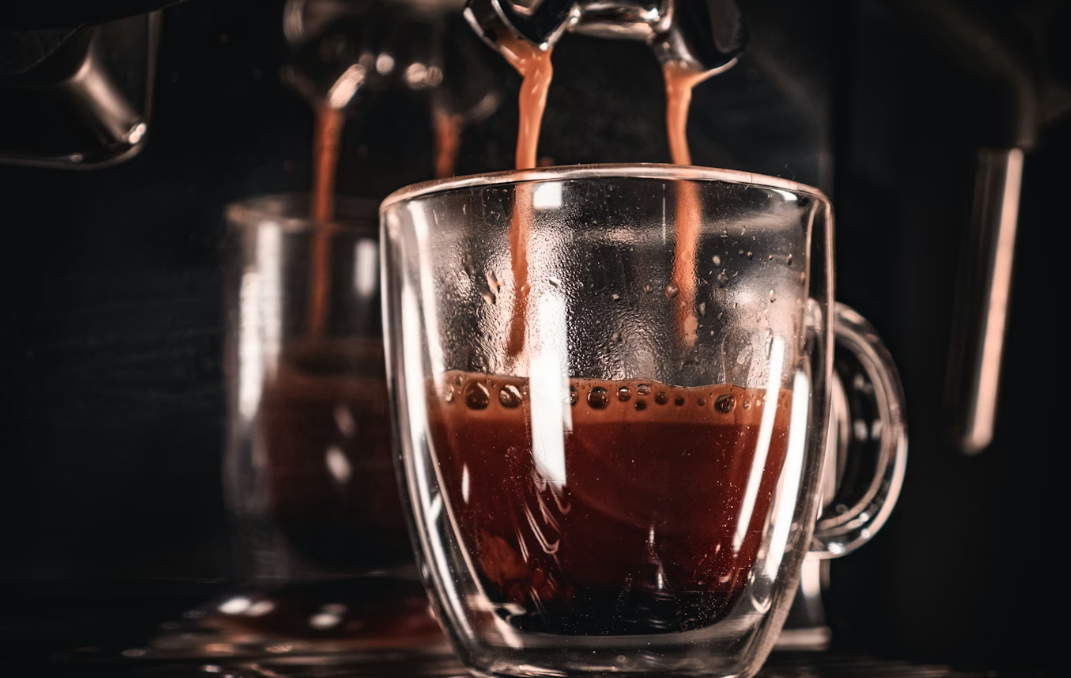
There is a big difference between someone who just wants a morning caffeine fix and a "home barista.". Or in my case a reluctant coffee snob who works from home.


I independently research and test products to help you make the best choice. As an Amazon Associate I earn from qualifying purchases at no extra cost to you.
If the Neretva Espresso Machine caught your eye on Amazon, I get it. A real-looking espresso machine for under a hundred bucks is hard to scroll past. Here is the problem. Cheap espresso machines do not just make worse espresso. They teach you bad habits, mask their own flaws, and leave you with no upgrade path when you outgrow them. Skip it. Here is what you should buy instead.
The Neretva is the kind of machine that looks the part. Stainless trim, a steam wand, a portafilter with a handle, and a price that makes the Gaggia Classic Pro feel out of reach. The listing photos are beautiful. The reviews even skew positive at first, because most people leave a review in week two, not month twelve.
The problem is everything under the hood. The portafilter uses a pressurized basket, which forces fake crema regardless of grind quality or technique. That means the machine is designed to hide bad coffee, not pull good shots. You can dose anything in there with any grinder and it will still look like espresso. It will not taste like it.
The boiler is small, the temperature is unstable shot to shot, and the steam wand barely texturizes milk. Build quality is mostly plastic where it matters, and replacement parts are not really a thing. When the pump fails, you are not repairing it. You are buying another machine.
The real cost is the upgrade path. You will not learn anything on a pressurized-basket machine that transfers to a real one. There is no community. No forum threads dialing in shots. No mods. No swappable PID. When you eventually do step up to a serious machine, you start from zero, except now you also have a dead Neretva on the counter.
The Gaggia Classic Pro is the espresso machine I have on my counter, and the one I recommend to anyone serious about pulling shots at home. It is a real semi-automatic with a commercial 58mm portafilter, a non-pressurized basket, and a build designed to last decades. I bought mine through an Amazon Warehouse deal and it has been on my counter every morning since.
👉 Grab the Gaggia Classic Pro on Amazon
Here is what makes it different. The Gaggia teaches you actual espresso. The non-pressurized basket exposes every variable, so when a shot is sour, you know it is the grind or the dose. You fix the input, the shot fixes itself. That feedback loop is how you actually get good. You cannot get it from a machine that hides everything.
It is also the most modded espresso machine in the world. PID kits, pressure gauges, IMS baskets, OPV adjustments. None of it is required, but all of it is available, and the community around the Classic Pro is one of the best things about owning one. Replacement parts are everywhere. People are running 15-year-old units with original boilers. The Neretva does not have a 15-year-old anything.
If you want the deeper case for it as the right beginner machine, I broke it down in my full guide to the best entry level espresso machine.
The Gaggia is the foundation, but espresso is a stack. Two more pieces and you have a real setup.
First, a grinder. This is non-negotiable. The Baratza Encore is the cheapest grinder I recommend for any espresso setup. It is technically not built for espresso, but with the ESP burrs upgrade, it gets close enough to start. It will hold you for a year while you decide whether you want to invest in a dedicated espresso grinder. Pairing a real espresso machine with a blade grinder or pre-ground coffee is throwing the machine away.
👉 Check the current price of the Baratza Encore on Amazon
Second, if the Gaggia is more machine than you want to learn on right now, the Breville Bambino is the machine people ask about next. It heats up fast, has auto milk steaming, and takes up less counter. It is a real espresso machine, not a pressurized-basket toy. But it is also a dead end you cannot upgrade, which is why I wrote a whole post on why I would skip the Bambino too. Between the two, the Gaggia is the one you buy once.
If you make espresso once a month, never plan to learn the craft, and want something that looks the part on the counter for guests, the Neretva is not insane. You are buying a coffee gadget, not an espresso machine, and the gap in expectations matches the gap in price. But that is not who is reading this. If you are searching for the Neretva, you are at least curious, and the curious reader is the one who outgrows it fastest.
Skip the Neretva Espresso Machine. The price tag is the only thing it does well. Save a few more weeks, buy the Gaggia Classic Pro, and step into a machine you can actually learn on and grow with. The Neretva is a machine you replace. The Gaggia is a machine you build a setup around.
The shortcut to good espresso at home is not finding a cheaper machine. It is buying the right one once.
If you want the full picture of how I have my espresso bar organized, the grinder workflow, and the workflow guides that take you from green to dialed, I have written it up end to end.
Regardless of which method you choose, you need the right station to support it. I have written deep-dive guides on how I organize my own counters for both workflows:
And remember, the best brewer in the world can't save bad beans. I use Trade Coffee to ensure I always have fresh, single-origin bags ready to grind.

Photo by Jan Suchánek on Unsplash
Disclosure: This post contains affiliate links. If you buy something through them, I may earn a small commission, at no extra cost to you. It helps fuel the coffee, the testing, and the writing. Thanks for supporting the work.
There is a big difference between someone who just wants a morning caffeine fix and a "home barista.". Or in my case a reluctant coffee snob who works from home.
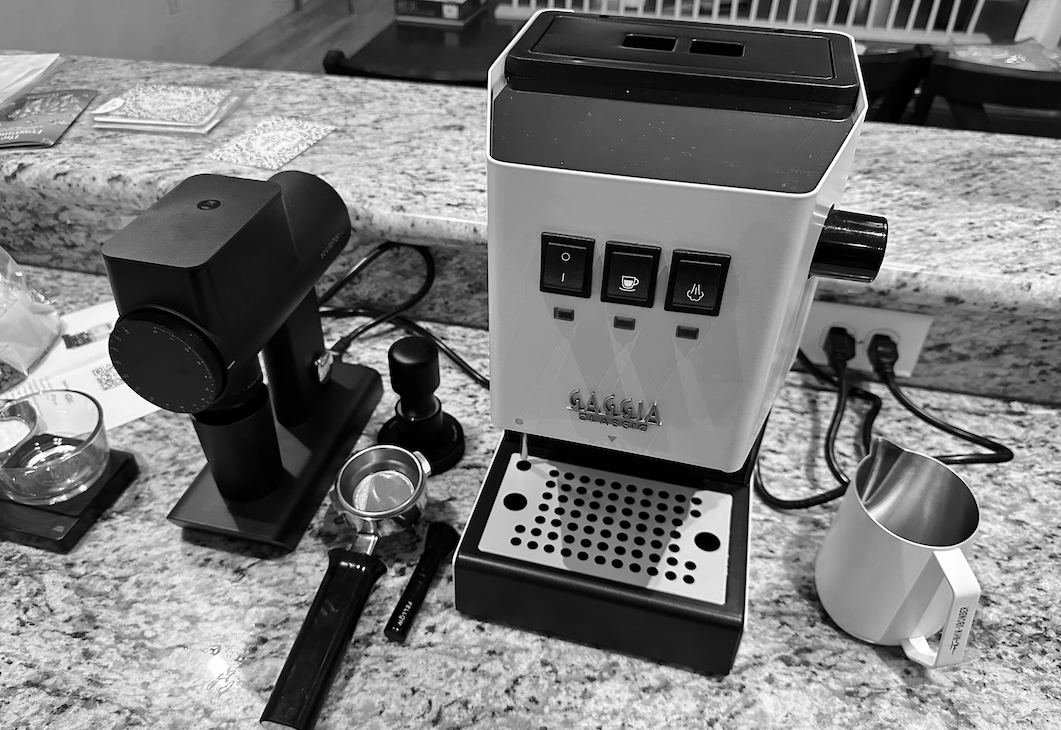
My journey with coffee actually started over 20 years ago in Australia. I had the chance to work in a small shop there, and if you know anything about Australian coffee...