I independently research and test products to help you make the best choice. As an Amazon Associate I earn from qualifying purchases at no extra cost to you.


I independently research and test products to help you make the best choice. As an Amazon Associate I earn from qualifying purchases at no extra cost to you.
A blinking red light on a Nespresso machine is rarely good news. Sometimes it means the machine needs descaling. Sometimes it means something more permanent is going wrong. Either way, you're standing in your kitchen at 6am staring at a machine that won't make coffee, and that's a frustrating place to be.
Here's what to try first. And if it doesn't work, here's what I use instead.
The blinking pattern varies by model, but most of the time it comes down to one of two things: the machine needs descaling, or there's an internal fault that isn't worth fixing.
Descaling is the more common cause and the easier fix. Mineral deposits build up inside over time, especially in areas with hard water. They restrict water flow, raise internal pressure, and eventually trigger the warning light.
The fix is straightforward. Run a descaling cycle using a proper descaling solution. I'd start with this Descaling Powder on Amazon, which works for most pod machines. Follow your model's specific sequence to enter descaling mode, run the solution through, then rinse.
If that clears the light, great. You're done. But if the light returns, or the machine still won't cooperate, you're probably dealing with a pump or heating element issue that isn't economical to repair on a mid-range pod machine.
Even if descaling gets the Nespresso working again, it's worth asking whether you actually want to keep it.
Nespresso machines are convenient. Fast, clean, consistent. But the pods are expensive, the flavor ceiling is low, and you have zero control over the final cup. You're locked into Nespresso's catalog, whatever they decide to sell that season.
There's also the cost argument. A box of 50 Nespresso pods runs around $30. That's $0.60 per shot, which adds up fast if you're pulling doubles every morning. A bag of quality fresh-ground beans can bring that cost down significantly, and give you a noticeably better cup in the process.
After trying a few machines, I landed on the Gaggia Classic Pro E24 as my daily driver. It's a commercial-style home espresso machine with real 9-bar pressure and a proper portafilter. It pulls actual espresso with genuine crema, not the aerated foam you get from pressurized baskets in pod machines.
There's a learning curve. Dialing in grind size and dose takes some practice. But once you've got it sorted, it's consistent in a way that a pod machine can't match.
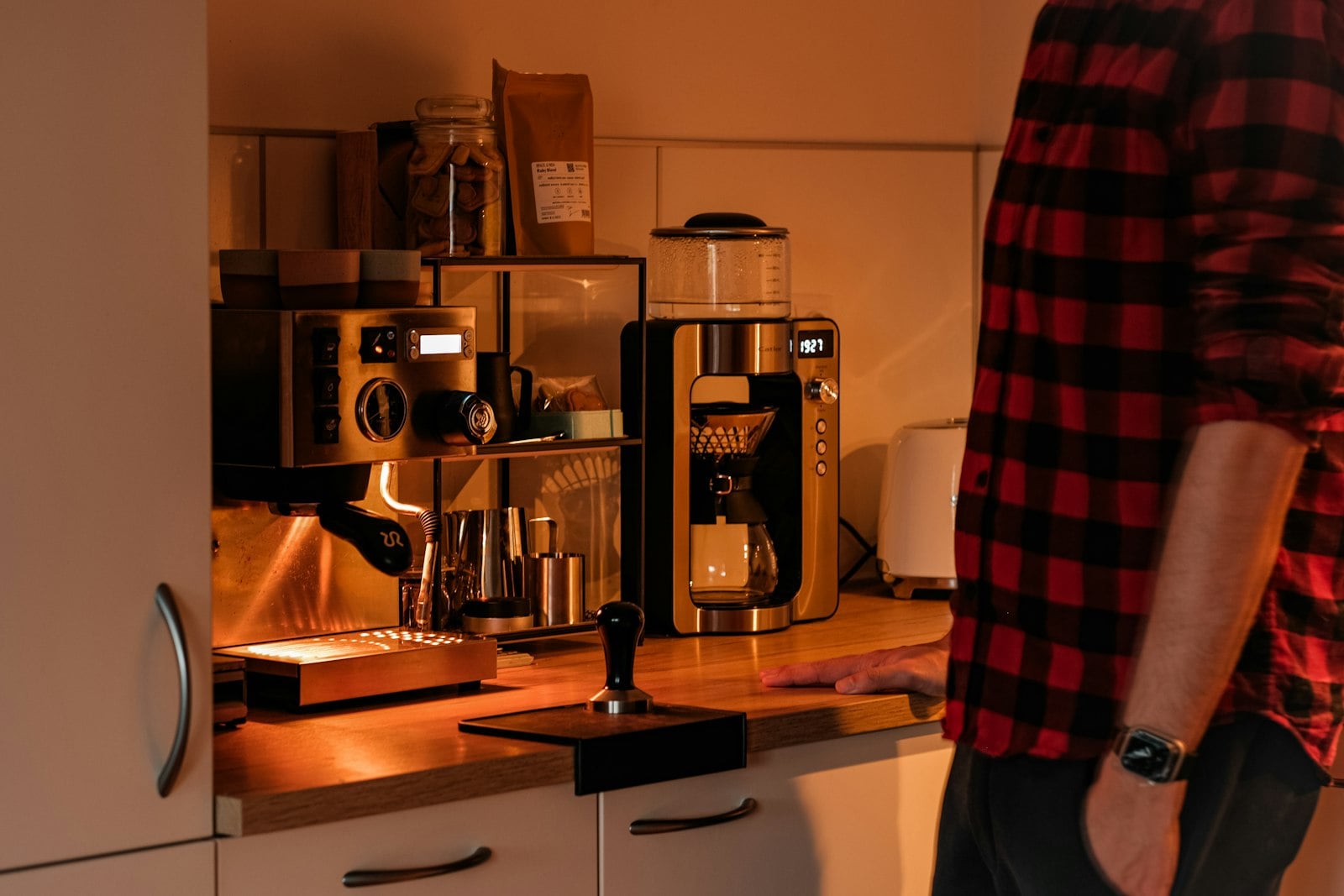
I keep mine on the counter in our condo kitchen, next to the grinder and a small scale. The Nespresso was a transaction. The Gaggia is something I actually look forward to.
👉 Check the current price of the Gaggia Classic Pro E24 on Amazon
If you haven't run a proper cleaning cycle yet, do that first. A dedicated espresso machine cleaner can help clear buildup from the brew path alongside your descaler, and sometimes that combination is enough to get things running properly again.
👉 See Espresso Machine Cleaner on Amazon
Run the descaling cycle, then pull a shot. If the machine comes back strong, you've saved yourself some money. If it doesn't, you've confirmed the diagnosis and can move forward with confidence.
A blinking red Nespresso light usually means it's time to descale. But if that doesn't fix it, and you're already feeling lukewarm about the machine, this is a reasonable moment to upgrade to something that'll serve you well for the next decade. The Gaggia Classic Pro is what I'd point you toward, and it's what I reach for every morning.
Regardless of which method you choose, you need the right station to support it. I have written deep-dive guides on how I organize my own counters for both workflows:
And remember, the best brewer in the world can't save bad beans. I use Trade Coffee to ensure I always have fresh, single-origin bags ready to grind.

Disclosure: This post contains affiliate links. If you buy something through them, I may earn a small commission, at no extra cost to you. It helps fuel the coffee, the testing, and the writing. Thanks for supporting the work.
I independently research and test products to help you make the best choice. As an Amazon Associate I earn from qualifying purchases at no extra cost to you.
I independently research and test products to help you make the best choice. As an Amazon Associate I earn from qualifying purchases at no extra cost to you.