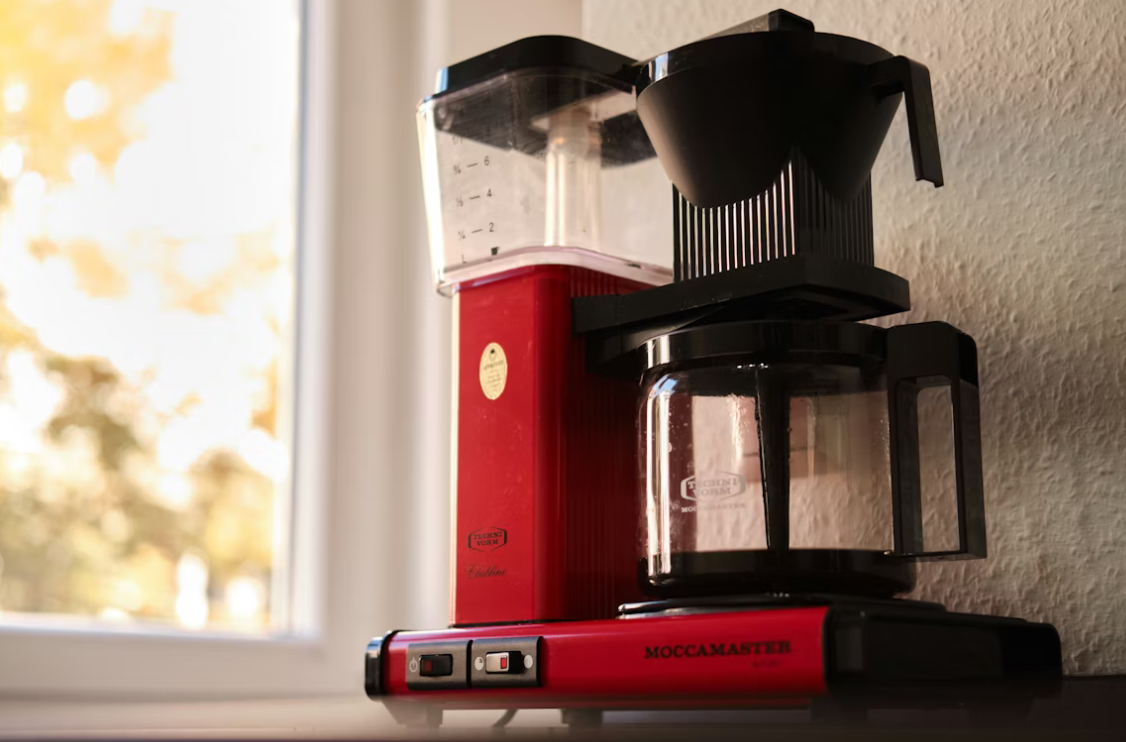
There are coffee makers, and then there are machines that look like they belong in a museum of modern art. If you are searching for a "high end drip coffee maker," you...


I independently research and test products to help you make the best choice. As an Amazon Associate I earn from qualifying purchases at no extra cost to you.
If you’ve spent any time looking at drip coffee makers, you’ve probably seen “SCA Certified” thrown around like it’s supposed to mean something. And honestly, it does. The Specialty Coffee Association tests brewers against a strict set of criteria, things like brew temperature, contact time, and extraction percentage. A machine has to hit specific marks in all of those areas to earn the certification. It’s not a marketing label. It’s a performance standard.
The problem is that most coffee makers you’ll find at Target or on Amazon don’t come close to meeting it. They brew too cool, too fast, or too unevenly. You end up with watery coffee and no idea why. I spent years drinking mediocre drip coffee in our condo here in Hawaii before I figured out the machine was the bottleneck, not the beans.
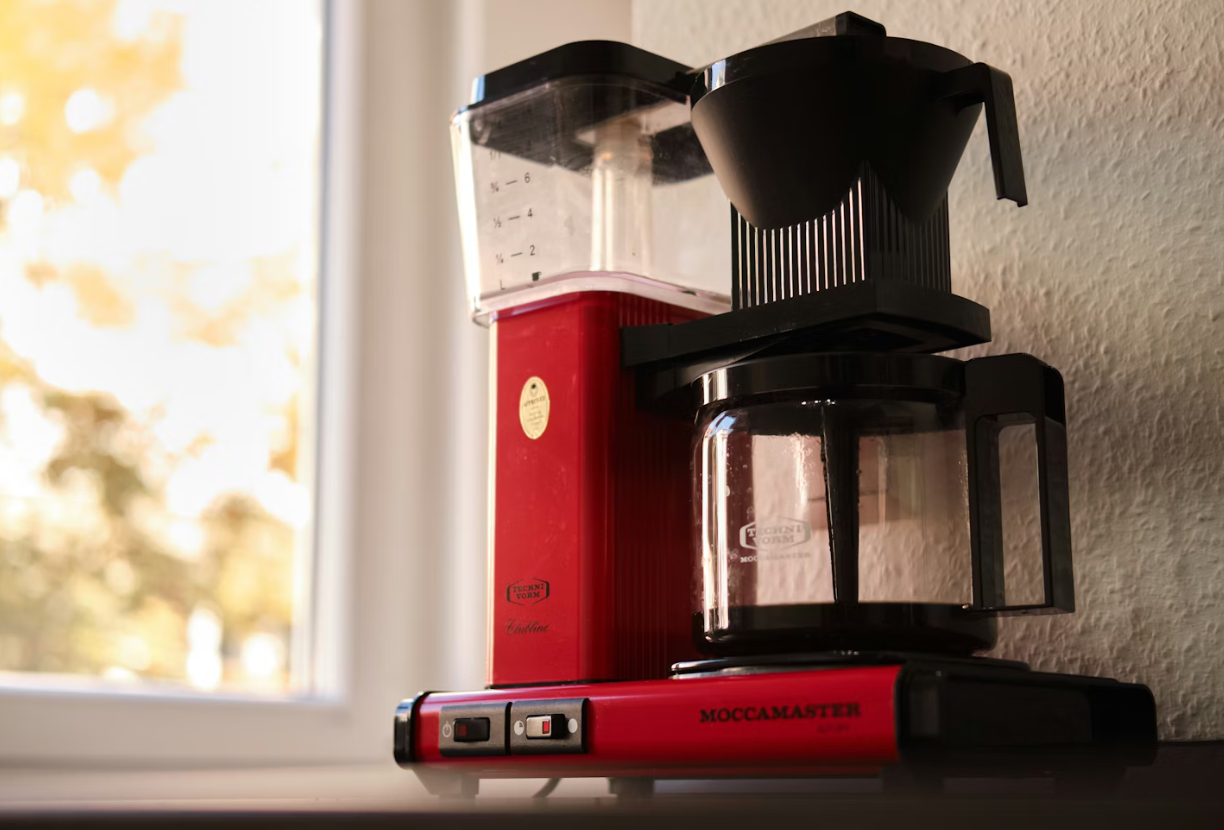
So if you’re shopping for an SCA certified coffee maker, the one I’d point you toward is the Technivorm Moccamaster. It’s the machine I use daily, and there’s a reason it keeps showing up on every serious coffee list.
The Moccamaster does exactly what an SCA certified brewer should do. It heats water to the right temperature (between 196 and 205°F), keeps contact time in the ideal range, and extracts coffee evenly across the bed. You don’t have to think about any of that. You just add grounds, add water, and press the switch.
What I like most is the consistency. Every pot tastes the same. Monday morning, Sunday afternoon, doesn’t matter. The copper heating element gets water up to temp fast and holds it there. There’s no guesswork, no pre-wetting ritual, no timer you have to set. It just brews well.
It’s also built to last. Mine has been running for over two years without a hiccup. The thing is made in the Netherlands, mostly from metal and glass, and it feels like it. No flimsy plastic reservoir, no electronic display that’s going to die in 18 months.
Check the current price of the Technivorm Moccamaster on Amazon.
Here’s the trap with SCA certified brewers: they’ll expose bad grinding immediately. If your grinder is producing inconsistent particle sizes, the Moccamaster will show you. You’ll get a mix of over-extracted bitterness and under-extracted sourness in the same cup. The machine is doing its job. Your grinder isn’t.
I pair mine with the Fellow Ode 2, which was designed specifically for drip and pour-over. It grinds consistently in the medium to coarse range, which is exactly where you want to be for a flat-bottom brewer like the Moccamaster. It’s quiet, fast, and doesn’t retain much ground coffee between uses.
If you’re spending money on an SCA certified brewer, don’t pair it with a blade grinder. That’s like putting cheap tires on a sports car. The Fellow Ode 2 is the grinder I’d recommend for this setup.
A lot of people buy a Moccamaster and then use pre-ground coffee from the grocery store. You can do that, and it’ll still taste better than what your old Mr. Coffee was making. But you’re leaving a lot on the table. Freshly ground beans, especially single-origin ones, are where the Moccamaster really shines. The even extraction pulls out flavors you didn’t know were in the bag.
The other mistake is water. If your tap water tastes off, your coffee will too. I use filtered water from a basic Brita pitcher. Nothing fancy, but it makes a noticeable difference. The SCA actually has water quality standards as part of their brewing guidelines. You don’t need to obsess over it, but don’t ignore it either.
One thing I added to my morning routine that made it smoother was a gooseneck kettle for heating water when I want to do a quick rinse of the paper filter before brewing. The Fellow Stagg Kettle is what I use. It heats fast, pours precisely, and looks good sitting on the counter. It’s not required for the Moccamaster, but if you’re the type who likes a clean, dialed-in workflow, it’s a nice addition. See the Fellow Stagg Kettle here.
The Moccamaster is the kind of machine that makes you wonder why you waited so long. It’s not flashy, it doesn’t have an app, and it won’t make you a latte. But if what you want is a consistently great cup of drip coffee every single morning, this is the one I’d pick. You might find something different that clicks for you, but after two years of daily use, I haven’t found a reason to look elsewhere.
Once you’ve got your brewer sorted, the next step is building a setup around it that actually works in your kitchen. Whether you’re a drip person or an espresso person, a clean, organized station makes your mornings way smoother.
Regardless of which method you choose, you need the right station to support it. I have written deep-dive guides on how I organize my own counters for both workflows:
And remember, the best brewer in the world can’t save bad beans. I use Trade Coffee to ensure I always have fresh, single-origin bags ready to grind.

Disclosure: This post contains affiliate links. If you buy something through them, I may earn a small commission, at no extra cost to you. It helps fuel the coffee, the testing, and the writing. Thanks for supporting the work.
There are coffee makers, and then there are machines that look like they belong in a museum of modern art. If you are searching for a "high end drip coffee maker," you...
I independently research and test products to help you make the best choice. As an Amazon Associate I earn from qualifying purchases at no extra cost to you.
A good...