I independently research and test products to help you make the best choice. As an Amazon Associate I earn from qualifying purchases at no extra cost to you.


I independently research and test products to help you make the best choice. As an Amazon Associate I earn from qualifying purchases at no extra cost to you.
Most mornings, I do not want to think. I want coffee that tastes like coffee, made with as little fuss as possible. That is the whole reason the French Press was how my wife and I started our coffee journey. No paper filters, no electric pumps, no app to update. Just hot water, ground coffee, and a few minutes of patience.
If you have ever stared at the espresso machine wall at a kitchen store and felt your wallet wince, the French Press is the answer you have been ignoring. It costs less than a decent dinner. It makes a richer, fuller cup than most drip machines. And it lasts forever if you do not drop it. My pick for most people is the Bodum Chambord French Press, which I will get into in a minute.
I live in a condo in Hawaii with my wife and two kids, and I have cycled through more brew methods than I would like to admit. The French Press is the one I keep recommending as a simple way to get started on a budget.
A French Press is what coffee nerds call a full immersion brewer. The grounds soak in hot water for four minutes, then a metal mesh plunger separates the coffee from the grounds. That is it. Because the grounds steep instead of getting flash extracted by dripping water, you get more body, more oils, and more of the coffee's actual character in the cup.
A drip machine filters those oils out through paper. That gives you a cleaner cup, sure, but it also strips out a lot of what makes good coffee taste good. With a French Press, you taste the bean. The chocolatey notes in a Brazilian roast, the brightness of an Ethiopian, the syrupy weight of a Sumatran. None of it gets quietly removed by a paper filter.
The other reason I keep coming back to the French Press is honesty. You know exactly what is happening at every step. There is no thermostat to fail, no pump to seize up, and no warranty to chase down a year from now.
The Bodum Chambord French Press is the standard for a reason. It has been around for decades, it is well built, and it usually costs less than a fancy coffee shop drink per ounce of capacity. Borosilicate glass beaker, stainless steel frame, a plunger that actually plunges without rocking sideways.
You can spend more on a fancier press with double walled steel and a heavier frame. For most people, that is overkill. The Bodum gets the brew right, looks good on the counter, and will not make you cry if it eventually breaks. If it does, the replacement glass costs almost nothing.
A few quick things to look for, regardless of which press you buy. Glass is fine if you are careful, steel if you have kids who will knock it over. Bigger is usually better than smaller. An 8 cup press makes about three real world mugs, not eight tiny servings.
You can check the current price of the Bodum on Amazon if you want to see the size options. The 34 ounce version is the sweet spot for most households.
This is the part most people get wrong. A French Press needs a coarse, even grind. Think kosher salt, not table salt. Pre ground coffee is almost always too fine, which is why so many people end up with sludge at the bottom of their cup and assume the brewer is the problem.
A burr grinder fixes this. I have used the Baratza Encore for years and it is still the easiest grinder to recommend. It produces a consistent grind, it does not cost a fortune, and it lasts. Set it near the coarsest end of its range, weigh out 30 grams of beans for a 500ml press, and you are set.
The other half of the equation is bean quality. The French Press has nowhere to hide. Stale grocery store beans will taste stale. Fresh, recently roasted beans will taste like a good coffee shop. I order through Trade and have fresh single origin bags on the counter every week.
The big mistake I see people make is stretching for the wrong tool. They want espresso, so they buy a cheap pressurized portafilter machine, get frustrated by the learning curve, and end up with a $200 paperweight. If you are tempted to go that route and you are not sure you will stick with it, start with a French Press first. If you want a bit more control and like the idea of a cleaner cup, a manual brewer like the AeroPress is a fun next step. I keep one in the kitchen for travel and quick single cups.
Simple gear will teach you more about coffee than complicated gear ever will.
The French Press is one of the few brewing methods that respects your time, your money, and the bean. A Bodum, a decent grinder, and a fresh bag of beans will get you 90 percent of the way to a great daily cup, and the other 10 percent is just patience.
Once you find a brew method that fits the way you actually drink coffee, the rest of your gear starts to matter too. Regardless of which method you choose, you need the right station to support it. I have written deep-dive guides on how I organize my own counters for both workflows:
And remember, the best brewer in the world can't save bad beans. I use Trade Coffee to ensure I always have fresh, single-origin bags ready to grind.

Disclosure: This post contains affiliate links. If you buy something through them, I may earn a small commission, at no extra cost to you. It helps fuel the coffee, the testing, and the writing. Thanks for supporting the work.
I independently research and test products to help you make the best choice. As an Amazon Associate I earn from qualifying purchases at no extra cost to you.
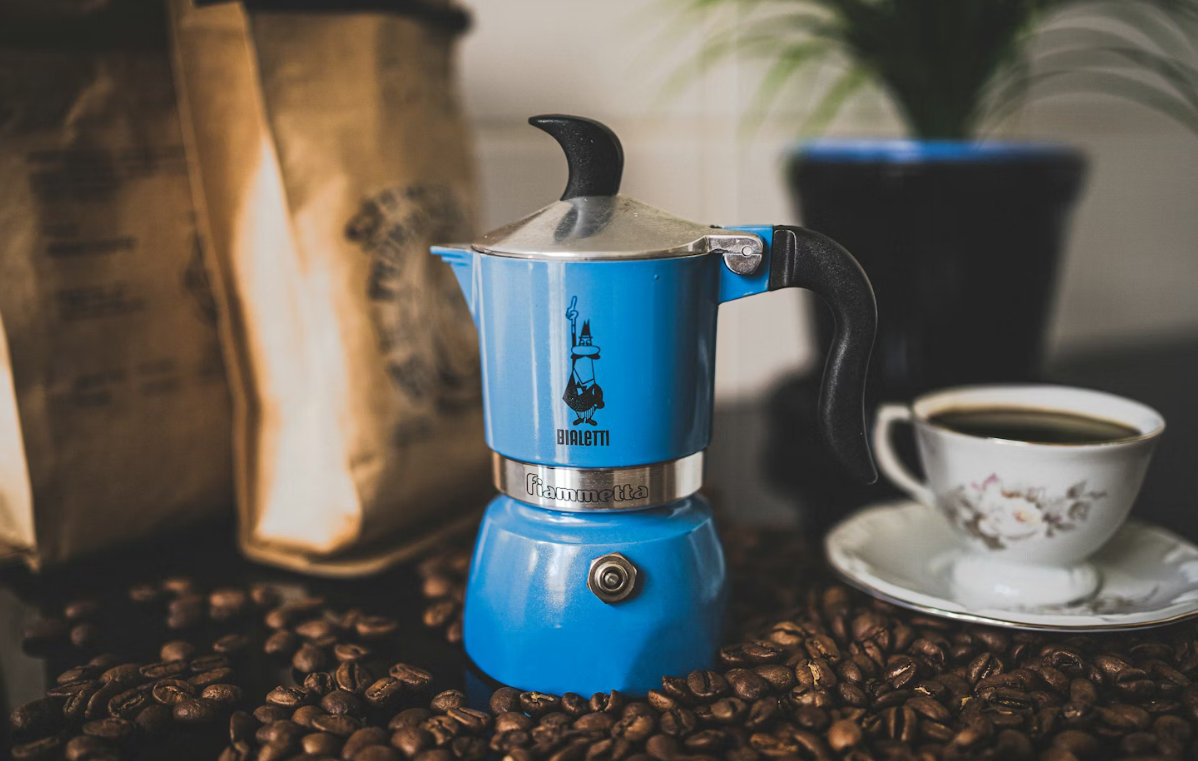
If you are looking for a way to make strong, delicious coffee at home without buying a massive machine, most people end up deciding between these two: the Moka Pot and...