Daniel Norris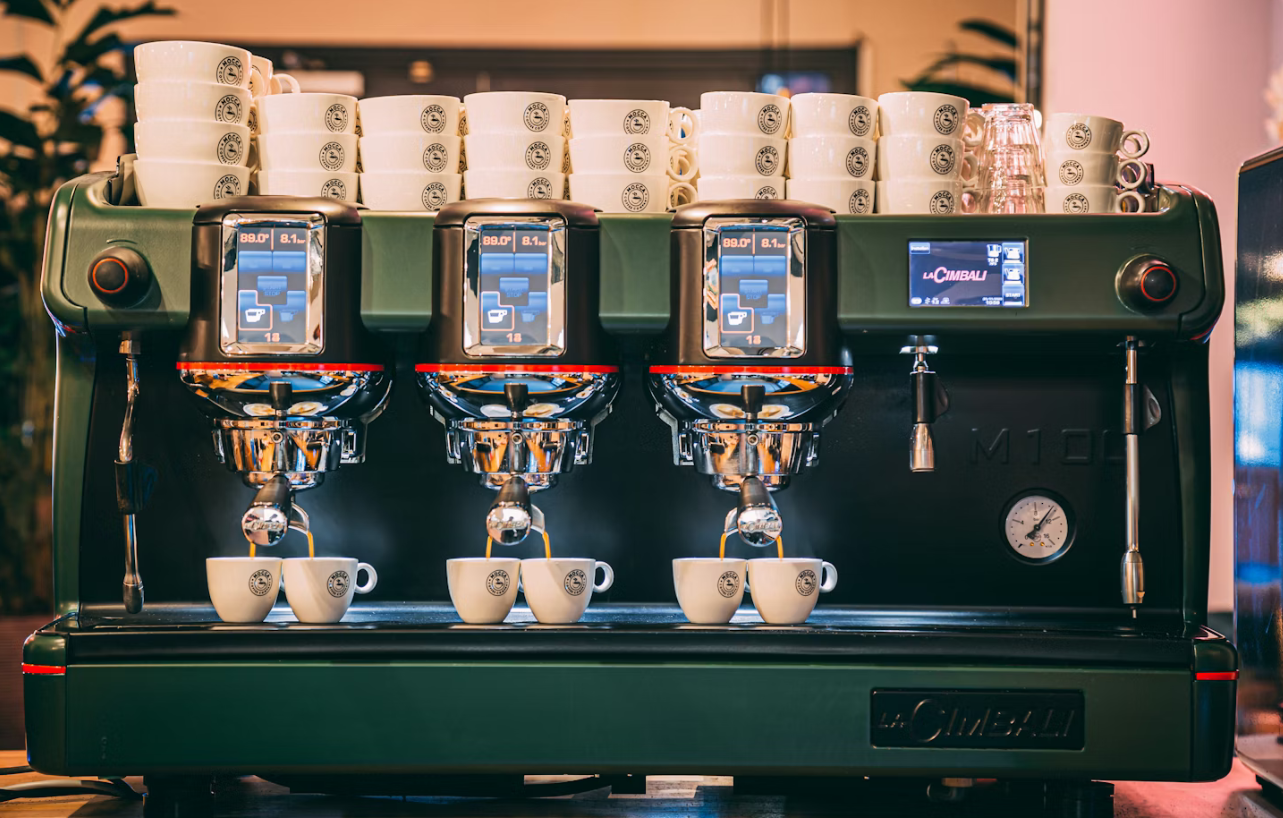
I independently research and test products to help you make the best choice. As an Amazon Associate I earn from qualifying purchases at no extra cost to you.
The "High Tech" Espresso Trap
If you’ve been shopping for an espresso machine lately, you’ve probably noticed a trend. Touchscreens. Bluetooth connectivity. Built-in grinders with app-controlled dose settings. Machines that look like they belong in a spaceship, not on your kitchen counter.
I get the appeal. I really do. When I was first getting into espresso, I almost went down that road myself. But after years of pulling shots in my Hawaii condo every single morning, I can tell you this: the best espresso doesn’t come from the most complicated machine. It comes from the simplest one that does the fundamentals right.
That machine, for me, is the Gaggia Classic Pro E24. And I think it should be yours too.
Why High Tech Espresso Machines Miss the Point
Here’s the thing about a high tech espresso machine: most of the technology is solving problems you don’t actually have. A touchscreen doesn’t improve extraction. Bluetooth doesn’t make your crema thicker. And a built-in grinder, no matter how “smart” it claims to be, will never match a dedicated single-dose grinder for consistency.
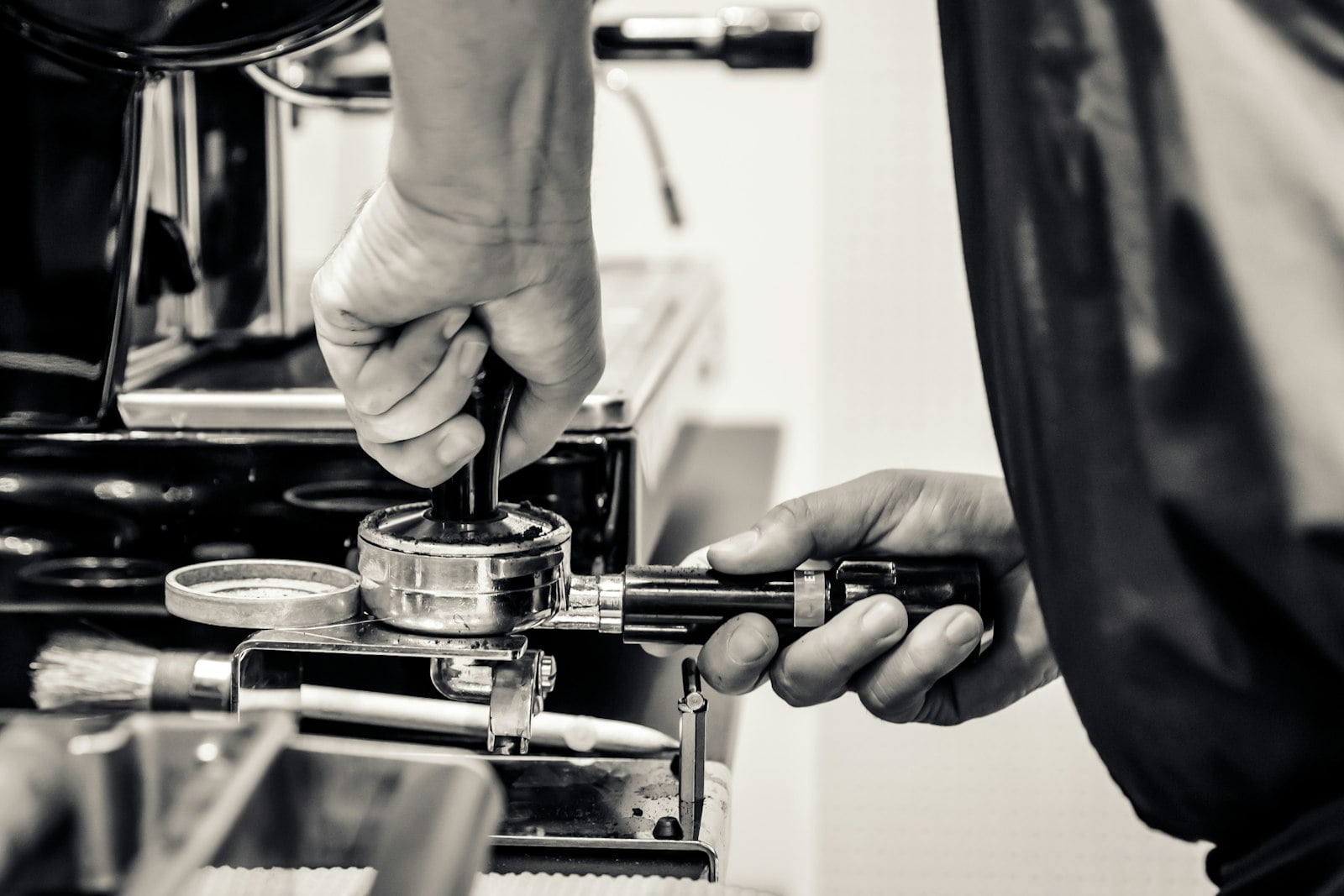
What you actually need from an espresso machine is simple. Stable temperature. Consistent pressure. A commercial-size 58mm portafilter. And the ability to learn and adjust as you dial in your shot. That’s it.
The problem with over-engineered machines is that they take control away from you. They automate the parts of espresso-making that are actually fun to learn. And when something breaks (and it will), you’re looking at expensive repairs for proprietary electronics instead of straightforward, replaceable parts.
The Gaggia Classic Pro Does What Matters
The Gaggia Classic Pro E24 is not flashy. There’s no app. There’s no touchscreen. It’s a stainless steel box made in Italy with a commercial 58mm portafilter, a solid boiler, and a simple rocker switch. That’s the whole pitch.
And that’s exactly why it works so well. I’ve been pulling shots on mine for years now, and it has never let me down. The temperature is stable. The pressure is consistent. The portafilter accepts the same accessories that commercial machines use, which means you’re not locked into proprietary baskets or tampers.
It’s also surprisingly forgiving for beginners. You can start with pressurized baskets while you learn, then switch to a standard basket when you’re ready to take more control. That progression is built into the machine without needing a firmware update.
Check the current price of the Gaggia Classic Pro on Amazon
What to Pair It With
If you’re going to skip the high tech espresso machine and go with the Gaggia, you’ll want a proper grinder to match it. The built-in grinders on those all-in-one machines are one of their biggest weaknesses, and a standalone grinder will outperform them every time.
I use the TIMEMORE Sculptor 064S as my daily espresso grinder. It’s quiet, precise, and has almost zero retention. It’s a single-dose grinder, which means I grind exactly what I need for each shot. No waste, no stale grounds sitting in a hopper.
The other thing I’d recommend from day one is descaling powder. Scale buildup is the silent killer of espresso machines, especially if you have hard water. I descale every couple of months and it takes about 20 minutes. It’s the easiest maintenance you can do to keep your machine running for years.
The Common Mistake to Avoid
The biggest trap I see people fall into is spending their entire budget on the machine and ignoring the grinder. A $2,000 high tech espresso machine with a mediocre grinder will produce worse espresso than a $450 Gaggia paired with a quality grinder like the TIMEMORE Sculptor.
Your grinder matters more than your machine. Full stop. If you only take one thing from this post, let it be that. Split your budget, invest in a great grinder, and your espresso will be better for it.
The Gaggia Classic Pro isn’t the most exciting espresso machine on the market. It doesn’t have a single feature that would make a good Instagram story. But it makes excellent espresso, morning after morning, without asking for much in return. For most people, that’s exactly what you want.
Regardless of which method you choose, you need the right station to support it. I have written deep-dive guides on how I organize my own counters for both workflows:
- For the Drip Lovers: My Work From Home Guide to the Best Coffee Setup
- For the Espresso Heads: My Work From Home Guide to the Best Espresso Setup
And remember, the best brewer in the world can’t save bad beans. I use Trade Coffee to ensure I always have fresh, single-origin bags ready to grind.

Disclosure: This post contains affiliate links. If you buy something through them, I may earn a small commission, at no extra cost to you. It helps fuel the coffee, the testing, and the writing. Thanks for supporting the work.