Look, I get it. Buying gifts for people like me, the "coffee snobs", can be frustrating. We speak in weird acronyms (WDT? RDT?), we weigh our water, and we flinch when...


I independently research and test products to help you make the best choice. As an Amazon Associate I earn from qualifying purchases at no extra cost to you.
There is a version of this conversation where someone tells you the type of coffee bean you brew at home does not really matter, that any decent grocery store bag is fine, and that obsessing over varietals and origins is a special form of caffeinated cosplay. I have been writing about coffee long enough to know that person is wrong, and also long enough to know they are not entirely wrong. Most people are not chasing perfection. They just want a cup that tastes better than what they had yesterday. That is fair.
This guide is for the version of you who has started to notice the difference. You have probably upgraded from pre ground tins to whole beans. Maybe you have a real grinder now. And the next obvious question is which bag to actually buy. Let us walk through it.
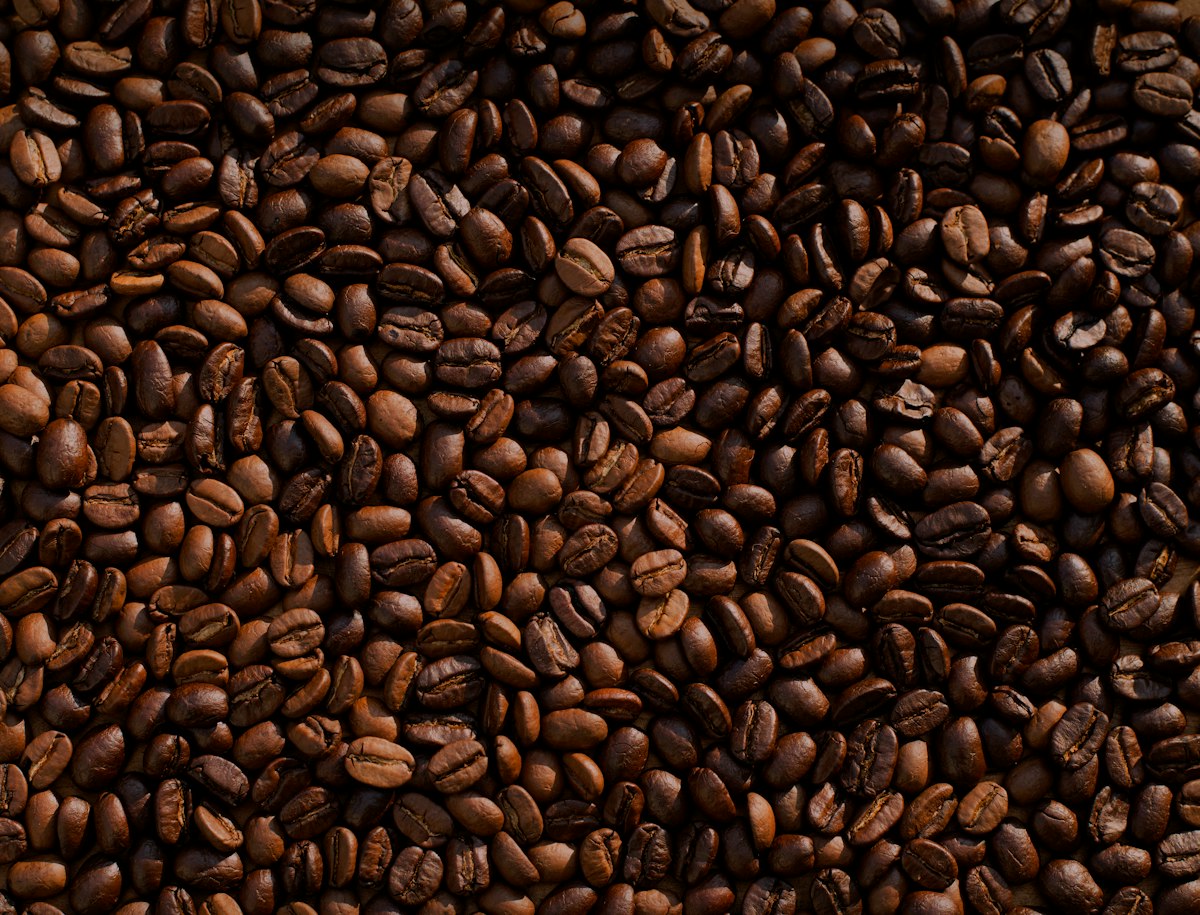
Photo by Mike Kenneally on Unsplash
Almost every cup of coffee you have ever had came from one of three species of coffee plant. Knowing this is the entry point to every other decision you will make about beans.
Arabica is the species that powers specialty coffee. It grows at higher elevations, takes longer to mature, and produces beans with more sugar, more acidity, and far more complex flavor. Roughly 60 to 70 percent of the global coffee supply is Arabica. Every bag worth getting excited about is Arabica.
Robusta is the workhorse. It grows at lower elevations, resists pests and disease better, and produces nearly twice the caffeine of Arabica. It also tastes harsher, more rubbery, and more bitter on its own. Robusta is what fills most cheap supermarket cans, most instant coffee, and most traditional Italian espresso blends, where a small percentage adds body and crema.
Liberica is the weird cousin. Grown mostly in the Philippines and parts of West Africa, it produces large, irregular beans with a smoky, woody, sometimes floral flavor. You will almost never see it in the U.S. outside of specialty curiosities. If you do come across it, try it. It is unlike anything else you have had.
For day to day brewing, the practical answer is simple. Buy Arabica. The rest of this guide assumes you are doing exactly that.
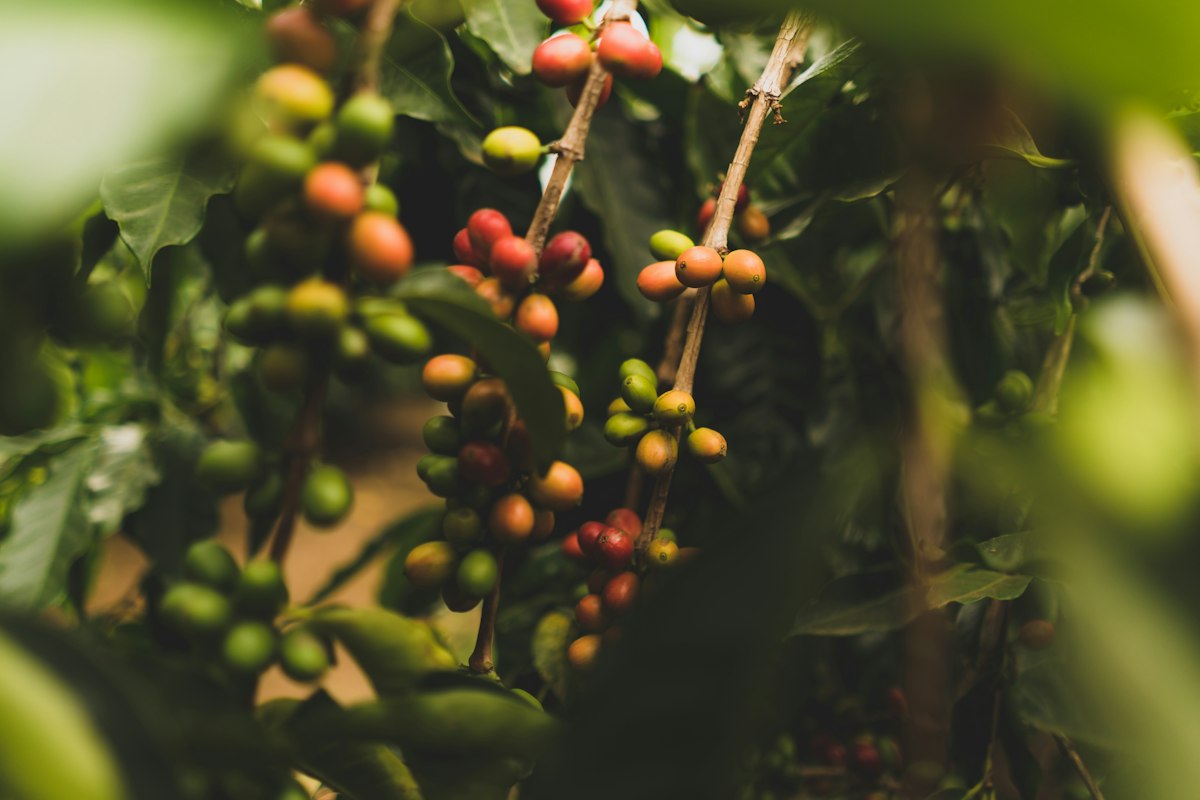
Photo by Clint McKoy on Unsplash
Once you commit to Arabica, the next thing on the bag is the origin. This is not marketing. The country, region, and elevation a bean grew at have a bigger impact on flavor than most roast levels do.
A few broad starting points:
If you want to go deeper on a single region, my breakdown of where to get fresh Ethiopian coffee beans is a good follow on, and my piece on Arabica beans goes deeper on what to actually buy.
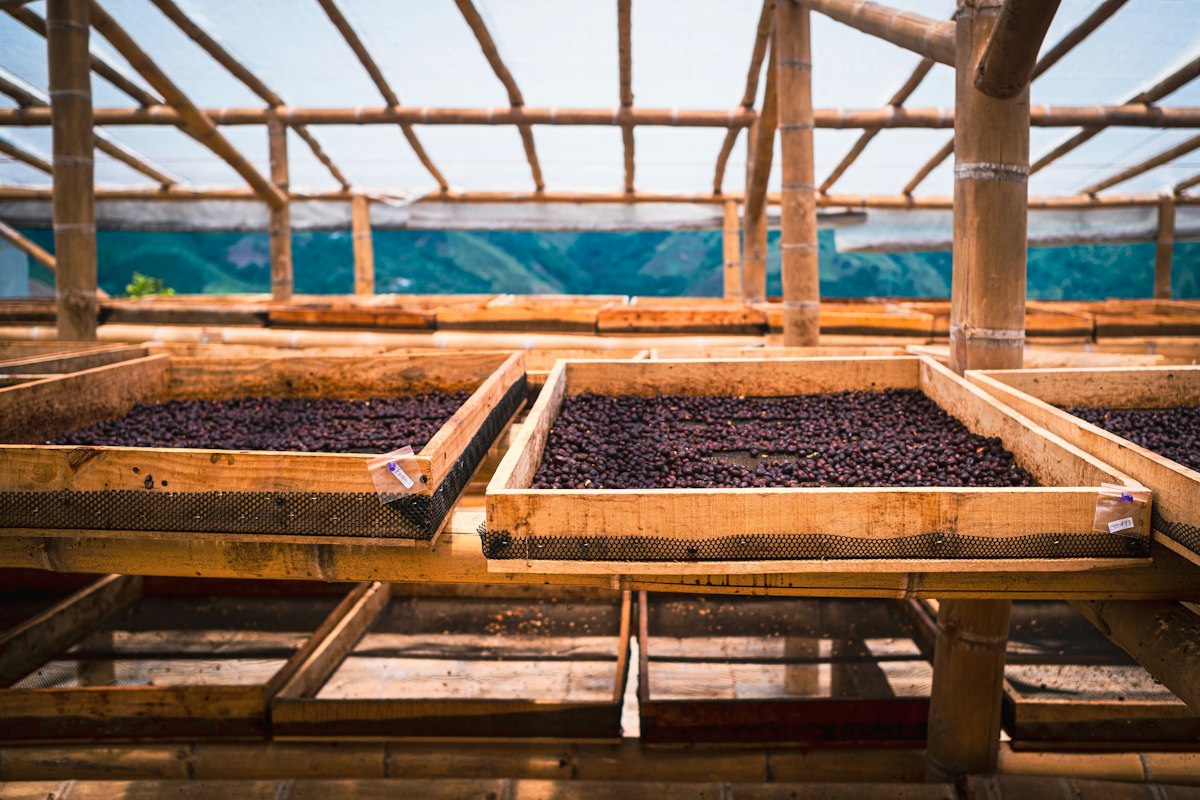
Photo by Dimitry B on Unsplash
Before a coffee cherry becomes a bean you can grind, the fruit has to come off. How that happens has an enormous effect on the final cup, and most bags will tell you which method was used.
Washed (or wet) process strips the fruit off right after picking. The bean ferments in water tanks, gets washed, then dried. The result is clean, clear, bright flavor. Most Ethiopian, Kenyan, and Colombian specialty coffees are washed.
Natural (or dry) process dries the whole cherry around the bean in the sun. The fruit ferments slowly and pushes intense, jammy, fruity flavors into the bean. Natural process Ethiopians can taste like blueberry pie. Natural process Brazils can taste like chocolate covered strawberries.
Honey process is the in between. Some fruit pulp is left on during drying. You get more sweetness and body than washed, and more clarity than natural. Common in Costa Rica.
You do not need to memorize this. You just need to know that "washed Ethiopian" and "natural Ethiopian" are nearly different drinks. If you tried a coffee and it was too sharp or too jammy for you, the process is often the culprit, not the country.
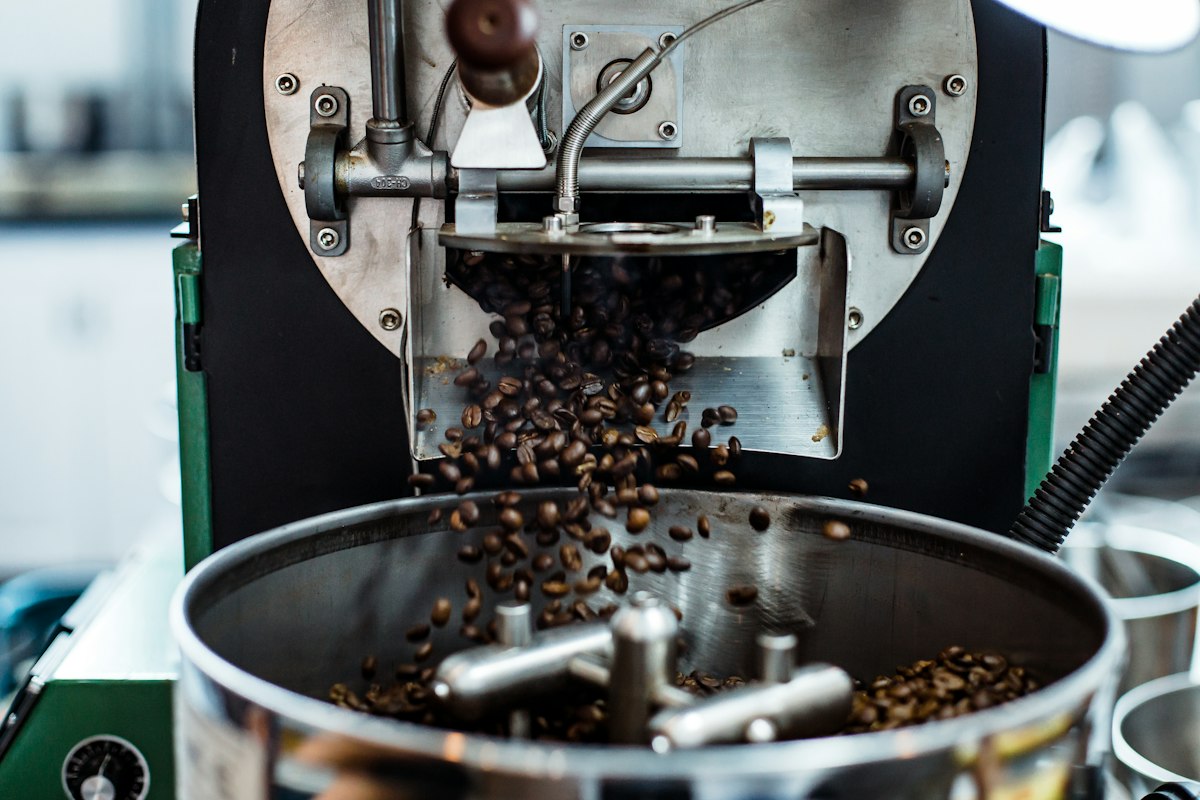
Photo by Gregory Hayes on Unsplash
Roast is the part of the conversation grocery store packaging gets the most wrong. "French Roast" and "Italian Roast" mean almost nothing standardized. Here is the actually useful framing.
Light roast preserves the most origin character. You taste the fruit, the florals, the acidity. Lighter roasts feel brighter, more tea like, more complex. They are also the roast level where the bean's quality matters most, because there is no roast caramelization hiding the flaws.
Medium roast balances origin and roast. Some sweetness from caramelization, some bright notes from the bean. The most accessible level for most people, and the one I default to for drip.
Dark roast pushes past the bean's origin into the roast itself. Smoky, bittersweet, bold, often a little ashy. Dark roasts hide a multitude of sins, which is partly why cheap commodity coffee tends to get roasted dark. There is also genuinely great dark roast out there, and it is the move for traditional espresso. If you like that profile, my piece on getting good dark roast delivered is worth a look.
Single origin means every bean in the bag came from one farm, one cooperative, or at minimum one region. You taste the place. Single origins are the bags that go on the rotating shelf at specialty roasters, and they are the most interesting daily drinkers.
Blends combine beans from different origins to hit a target flavor profile, usually balance, sweetness, and consistency across seasons. Most espresso blends are intentional blends, because espresso benefits from a steady, balanced flavor profile that does not change every two months.
Neither one is better. Single origin is more interesting. Blends are more reliable. If you are figuring out what you actually like, single origin teaches you the most.
A few outliers worth knowing about, if only so you can recognize them in the wild.
Kopi Luwak is the famous (and infamous) "civet coffee" where beans are eaten and excreted by a small mammal before being collected and roasted. The flavor is fine. The ethics are not. I dug into the whole story in my post on bat poop coffee and its cousins, and the short version is that there are far better ways to spend eighty dollars on a bag.
Geisha (or Gesha) is a varietal of Arabica that originally came from Ethiopia and now thrives in Panama. It is famous for producing wildly aromatic, tea like, jasmine forward cups. It is also famously expensive. Worth trying once if you ever see it by the cup at a specialty shop.
USDA Organic certification is its own category that overlaps with all of the above. If that matters to you, here is my take on USDA certified organic coffee and what it actually changes.
I drink two kinds of coffee. Drip in the morning, espresso most afternoons. The beans I use for each are different on purpose.
For drip, I use the Technivorm Moccamaster. I lean medium roast, single origin, almost always something washed and bright. Ethiopian, Colombian, occasionally Kenyan when I am in the mood for something louder. I want the cup to taste like the place the bean came from, not the roast. The Moccamaster gets out of the way and lets the bean do the talking, which is exactly what you want when you are paying for good single origin.
👉 Check the current price of the Technivorm Moccamaster on Amazon
For espresso, I pull shots on the Gaggia Classic Pro. Here I lean medium to medium dark, often a blend, often with a natural process component for body. I am chasing sweetness and crema, not clarity. A great espresso bag has to hold up under nine bars of pressure and a splash of milk, which is a very different job than drip. The Gaggia is the machine I recommend to anyone serious about real espresso at home without spending three thousand dollars.
👉 Grab the Gaggia Classic Pro on Amazon
Either way, the beans are fresh, ground that morning, and almost always from a small roaster I would not have found on my own. That is the part most home brewers miss. The species, the origin, the process, the roast, all of it stops mattering if the bag has been sitting on a shelf for two months. Freshness is non negotiable.
I solved that problem years ago by signing up for Trade Coffee. They match you to roasters around the country, ship beans within days of roasting, and rotate origins so you actually learn what you like. It is the single biggest upgrade most home brewers can make. More than the machine, more than the grinder. Better beans is the actual game.
👉 Check out the Trade Coffee subscription here
If you want to keep going, here are the posts worth reading after this one.
What are the main types of coffee beans?
Arabica, Robusta, and Liberica. Arabica is what specialty coffee is built on, Robusta is the cheaper and more caffeinated workhorse, and Liberica is a rare third species with a unique smoky, woody flavor.
Is Arabica really better than Robusta?
For flavor, yes, for almost every use case. Robusta has higher caffeine and more crema potential, which is why a small percentage shows up in some Italian espresso blends. On its own, it is harsher and less interesting.
What is the best type of coffee bean for beginners?
A medium roast, washed, single origin Colombian or a balanced Central American is the friendliest starting point. Easy to drink, forgiving, and a good baseline for what good coffee tastes like.
Does the country of origin really matter?
More than the roast does, in most cases. Origin sets the flavor frame. Roast sharpens or smooths it. Process amplifies or quiets it. Skipping origin and only buying by roast level is one reason so many home brewers feel stuck.
Coffee beans are not a detail. They are the actual product. Once you understand the species, origin, processing, and roast levels, every bag at the store stops looking the same. You start picking with intent, and your morning cup catches up fast.
If you are ready to turn this into a daily routine, the next step is matching your beans to the right brewer and dialing in the rest of your counter.
Regardless of which method you choose, you need the right station to support it. I have written deep-dive guides on how I organize my own counters for both workflows:
And remember, the best brewer in the world can't save bad beans. I use Trade Coffee to ensure I always have fresh, single-origin bags ready to grind.

Featured photo by Anastasiia Chepinska on Unsplash
Disclosure: This post contains affiliate links. If you buy something through them, I may earn a small commission, at no extra cost to you. It helps fuel the coffee, the testing, and the writing. Thanks for supporting the work.
Look, I get it. Buying gifts for people like me, the "coffee snobs", can be frustrating. We speak in weird acronyms (WDT? RDT?), we weigh our water, and we flinch when...
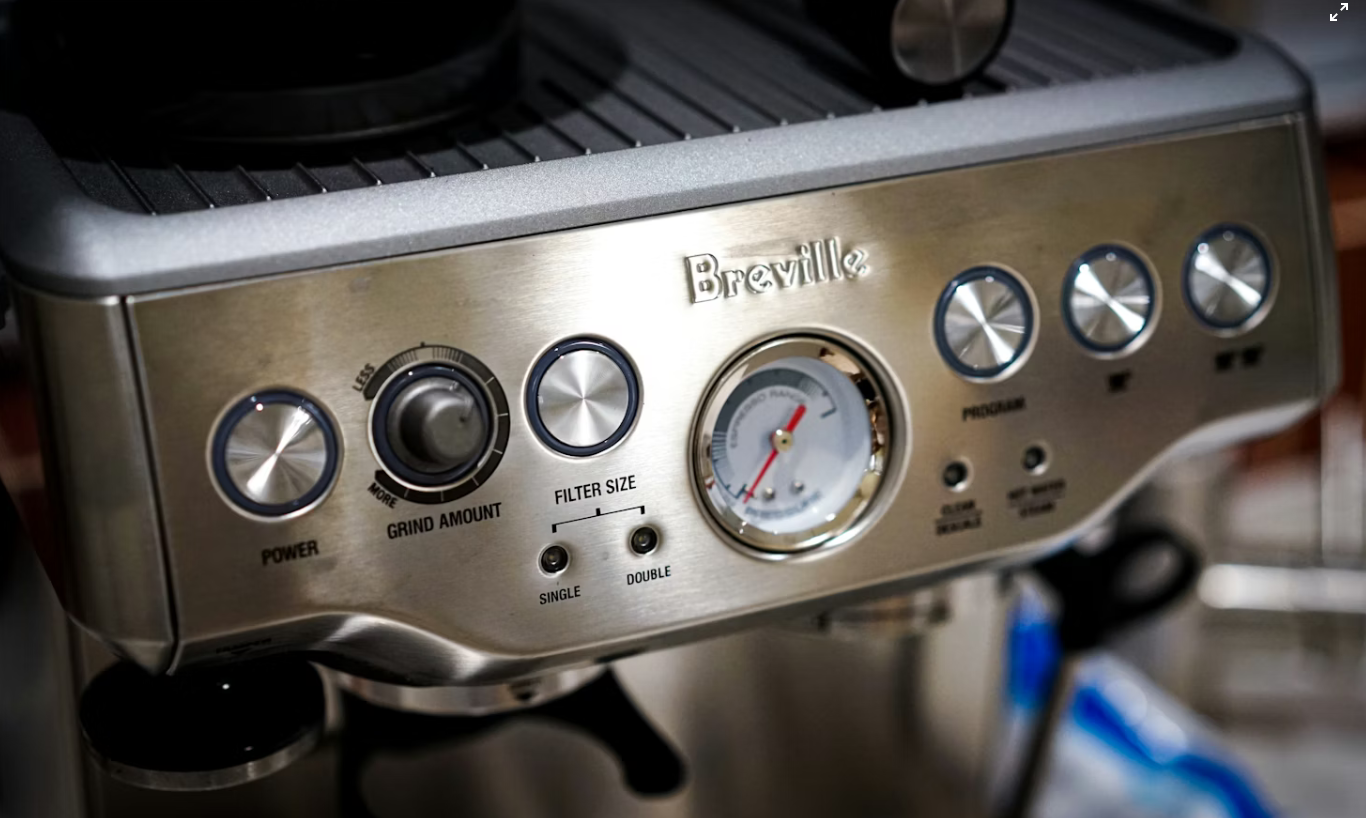
I get it. The idea of a 3-in-1 coffee machine is appealing. One appliance that brews espresso, makes drip coffee, and froths milk for cappuccinos. Save counter space,...