I independently research and test products to help you make the best choice. As an Amazon Associate I earn from qualifying purchases at no extra cost to you.


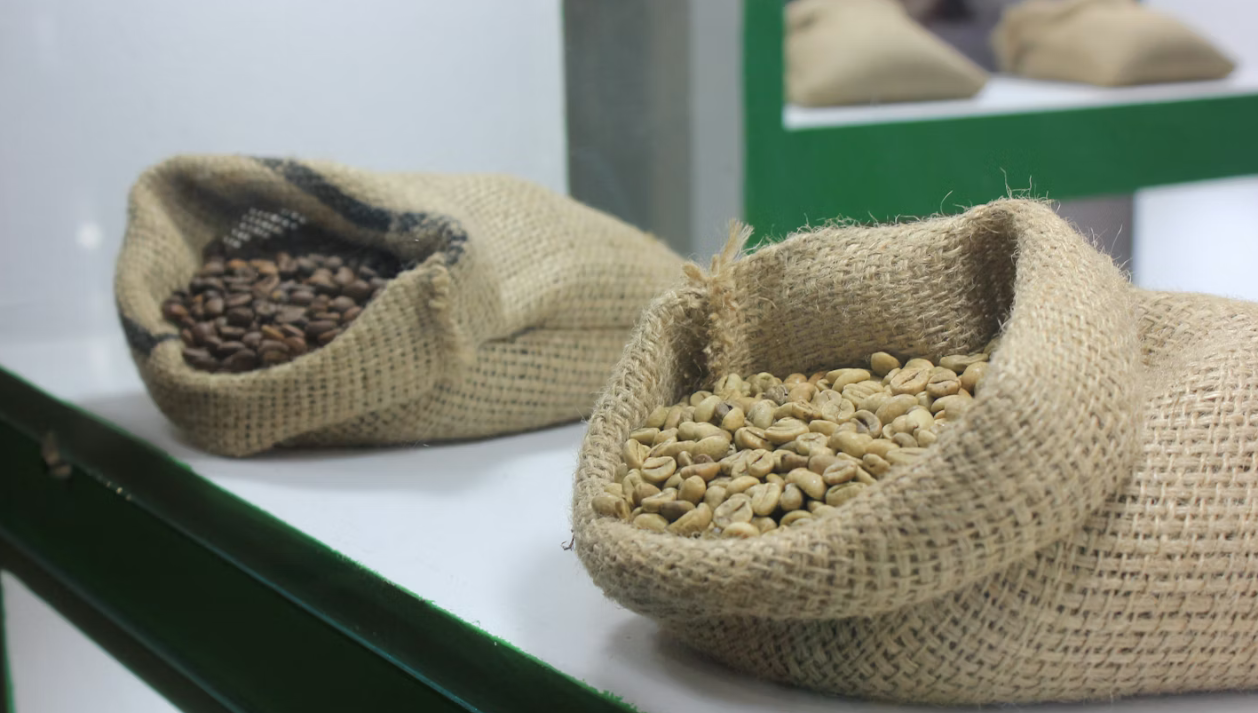
Ethiopian coffee beans are some of the most interesting coffee you can drink. Bright, fruity, floral; they taste nothing like the dark, bitter stuff most people grew up on. If you've ever had a cup that reminded you more of blueberries or jasmine than "coffee," there's a good chance it was Ethiopian.
The problem is finding them fresh. Most of what sits on grocery store shelves was roasted months ago, and Ethiopian beans lose their best qualities fast once they go stale. That floral brightness turns flat. The fruit notes disappear. You end up with a bag that technically says "Ethiopian" on the label but tastes like every other mediocre coffee on the shelf.
So here's where I actually get mine, and a few things worth knowing about Ethiopian beans before you buy.
Ethiopia is where coffee originated. Literally — the coffee plant grew wild in the forests of the Kaffa region long before anyone thought to cultivate it. That history matters because Ethiopia has an incredible diversity of coffee varieties that you just don't find anywhere else. Most coffee-producing countries grow a handful of commercial varieties. Ethiopia has thousands of heirloom varieties, many of which haven't even been formally cataloged.
What does that mean for your cup? It means Ethiopian coffee can taste wildly different depending on the region, the altitude, and how it's processed. Yirgacheffe beans tend to be light, floral, and tea-like. Sidamo brings more berry and citrus. Guji can be complex and wine-like. Harrar is drier and often has a distinct blueberry character.
This isn't coffee-nerd trivia — it's the reason Ethiopian beans are worth paying attention to. The flavor range is enormous, and when they're roasted well and brewed fresh, they're genuinely some of the best coffee in the world.
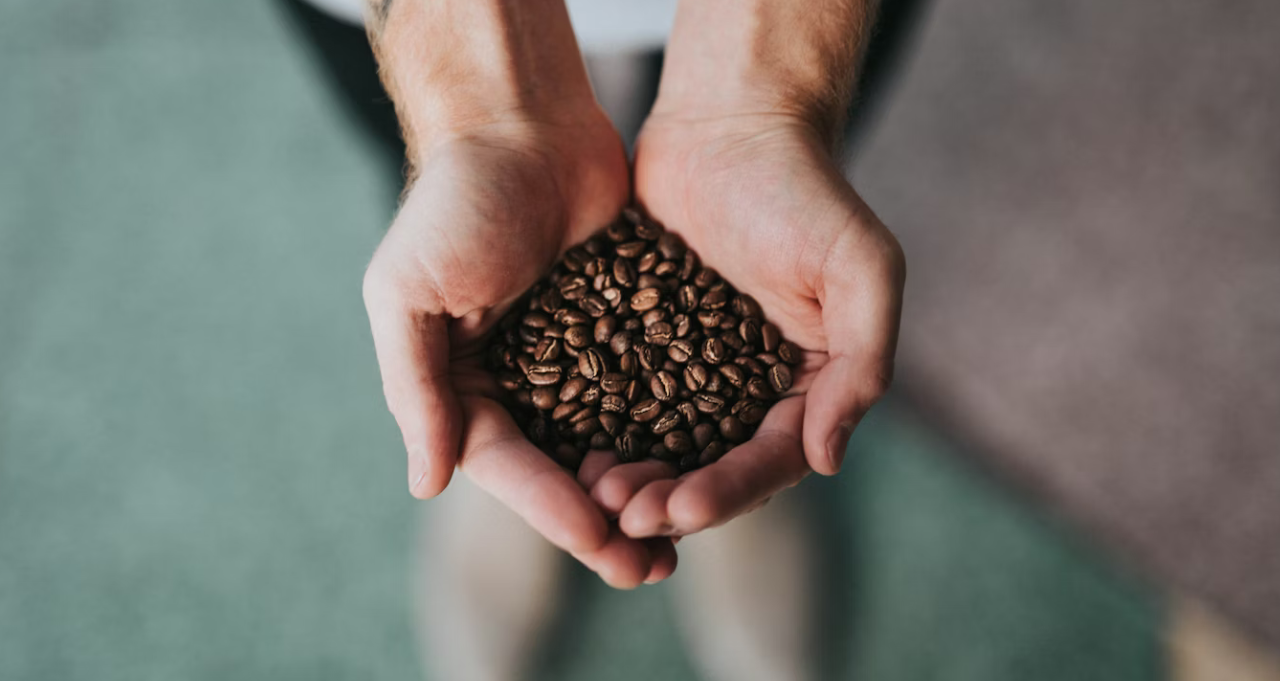
Here's where most people go wrong with Ethiopian coffee. They grab a bag off a shelf, at the grocery store, at a big-box retailer, sometimes even at a coffee shop, and assume they're getting the real experience. But coffee is a perishable product. Once it's roasted, the clock starts ticking. Peak flavor is usually in the first two to four weeks after roasting. After that, it fades fast.
Ethiopian beans are especially sensitive to this because so much of what makes them special is in those delicate, high-note flavors — the florals, the bright acidity, the fruit. Those are the first things to go when beans get stale. What's left is generic, flat, forgettable coffee that doesn't represent what Ethiopian beans can actually do.
The fix is simple: buy from roasters who ship shortly after roasting, and look for a roast date on the bag, not just a "best by" date.
The easiest way I've found to consistently get fresh Ethiopian coffee beans is through Trade Coffee. Trade partners with over 55 small roasters across the country and matches you with beans based on your taste preferences. You can specifically request single-origin Ethiopian beans, and they'll send you freshly roasted options from roasters who actually specialize in them.
What I like about Trade is that the beans show up within days of being roasted. No guessing about freshness, no stale bags that have been sitting in a warehouse. And because they work with a rotating roster of independent roasters, you get exposed to Ethiopian beans from different regions and processing methods, natural, washed, honey, without having to hunt them down yourself.
I've been using Trade for a while now, and some of the best Ethiopian cups I've had at home came through their service. It takes the research and sourcing completely off your plate.
👉 Try Trade Coffee and get matched with fresh Ethiopian beans
Once you have fresh beans, how you store and brew them matters.
For storage, I use the Fellow Atmos Vacuum Canister. It pulls air out of the container with a twist of the lid, which slows down oxidation and keeps beans tasting fresh longer. It's one of those small upgrades that makes a noticeable difference, especially with delicate single-origin beans.
For brewing, Ethiopian beans shine brightest in pour-over. The Hario V60 is what I reach for when I want to really taste the nuance in a good Ethiopian coffee. Pour-over gives you a clean, transparent cup that lets those floral and fruit notes come through without anything muddying them up. Pair it with a Fellow Stagg Kettle for precise water control, and a good grinder like the Timemore Sculptor 064S for a consistent medium-fine grind, and you're set.
You can absolutely use Ethiopian beans in a drip machine or even espresso, they make great espresso, actually, but pour-over is where these beans really get to show off.
Ethiopian coffee beans are special. Not in a hand-wavy, coffee-snob way, genuinely, scientifically, historically special. But freshness is everything. A stale bag of Ethiopian beans from a grocery store shelf won't give you the experience these beans are capable of.
Get them fresh, store them right, and brew them with a method that lets the flavors come through. That's it. That's the whole formula.
👉 Get fresh Ethiopian beans from Trade Coffee
If you want to see the full pour-over and drip setup I use at home, check out my
Guide to the Best Coffee Setup.
And if espresso is more your thing, here's my
Work From Home Guide to the Best Espresso Setup.

This blog contains affiliate links. If you click through and make a purchase, I may earn a small commission at no extra cost to you. It helps fuel the coffee, the testing, and the writing. Thanks for supporting the work.
I independently research and test products to help you make the best choice. As an Amazon Associate I earn from qualifying purchases at no extra cost to you.
I independently research and test products to help you make the best choice. As an Amazon Associate I earn from qualifying purchases at no extra cost to you.
Most of...