Daniel Norris
This post is sponsored by BioPouches, a company that makes coffee packaging. The words and opinions are mine. As an Amazon Associate I also earn from qualifying purchases at no extra cost to you.
Better beans are the cheapest upgrade you can make to your coffee. They change the cup more than most gear does, and I'd take fresh whole beans through a cheap grinder over expensive coffee that's already ground.
Fresh is the important word there. Air is what slowly flattens roasted coffee, so how your beans are stored, from the roaster's bag to your kitchen counter, decides how much of that flavor actually makes it into your cup.
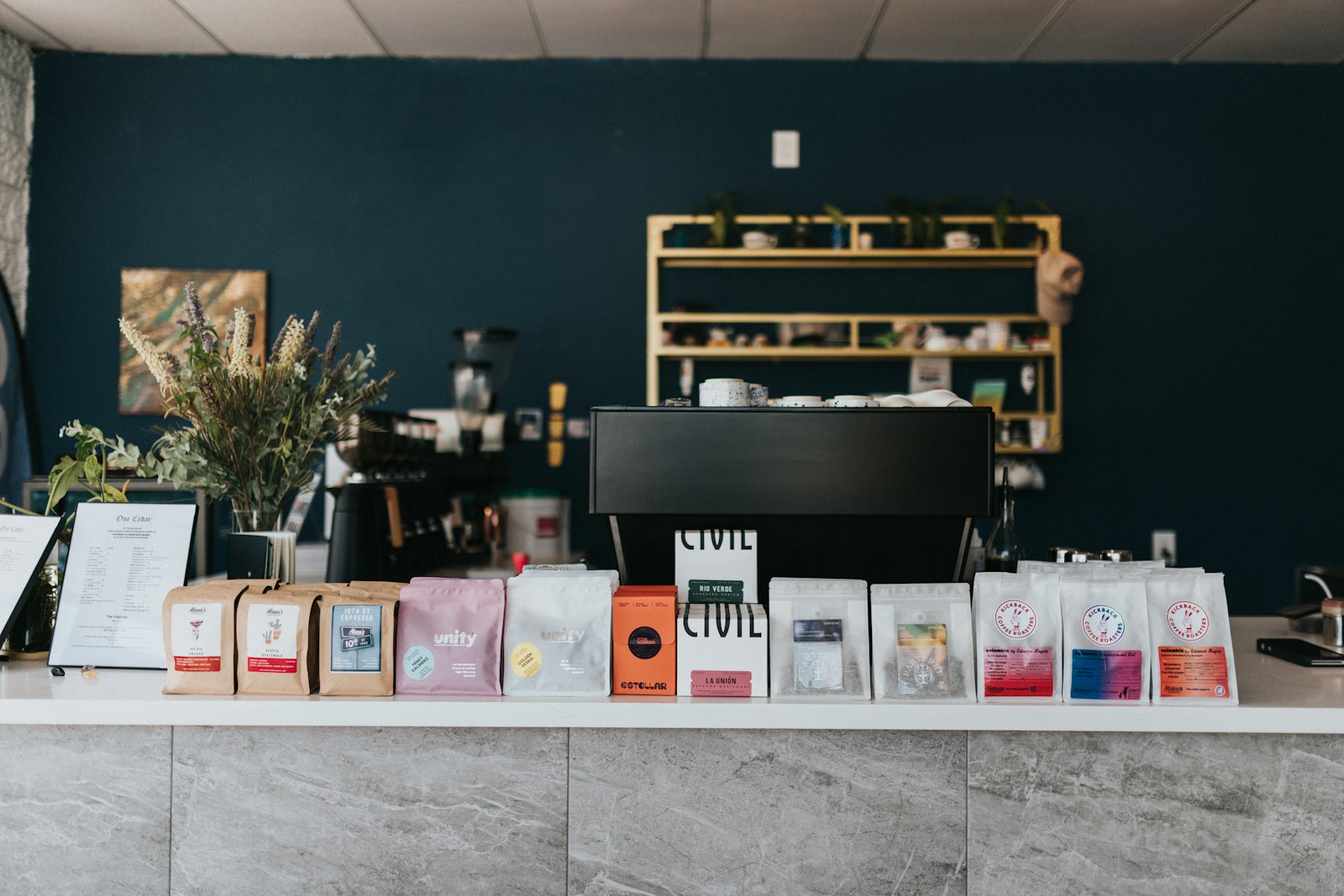
Almost all of my coffee shows up in a sealed bag. Trade Coffee ships it to me here in Kona, and when I travel for work I like to bring back a bag from a local roaster. Everyone's squeezed a new bag and leaned in to smell the coffee puff out through the little round button on the front. That button is the coffee bag valve, and it's doing more than you'd think.
Packaging is one of those parts of coffee most people never think about, including myself. So when the BioPouches team reached out about how these valves work, I wanted to dig into it.
What the coffee bag valve does
Roasted coffee keeps giving off carbon dioxide for days, and the fresher the beans, the more gas there is. That's why a bag roasted a few days ago can look puffy when it lands on your counter.
Seal those beans in a bag with no way out and the gas has nowhere to go, so the bag balloons. The valve is the way out. Gas can push through it from the inside, but outside air can't easily get back in the same way.
That second part is what you end up tasting. Oxygen is the problem. The valve means a roaster can seal the bag right after roasting, keep air out, and not end up with a balloon.
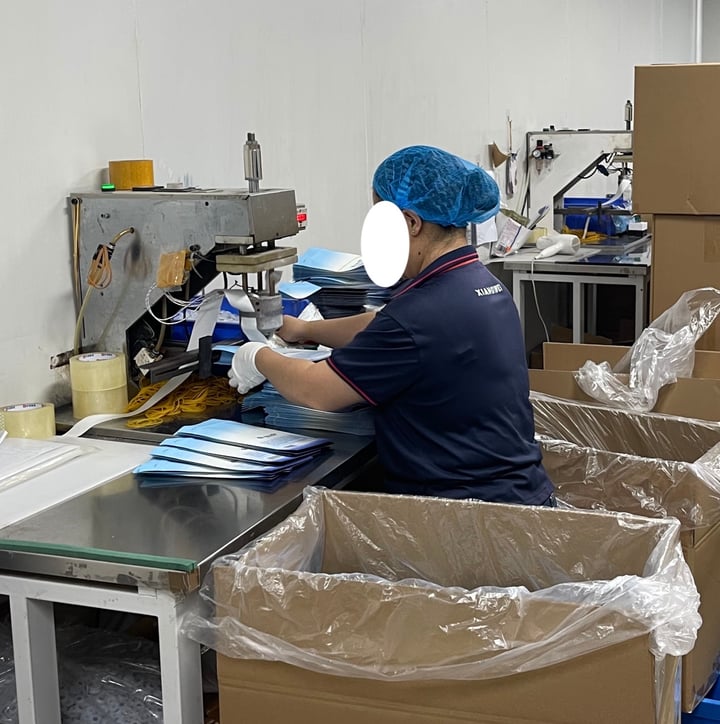
Attaching degassing valves to coffee pouches at the BioPouches factory. Photo: BioPouches
How the valve gets on the bag
The BioPouches team sent me photos from their factory floor. A worker lines up each pouch, and a machine presses the valve onto one spot on the bag. It has to sit perfectly flat. If it doesn't, gas leaks out around the edges instead of through the valve, and air can sneak back in around it.
Some valves also have a small filter on the back, the side you only see if you look inside an empty bag. It keeps fine coffee dust from gumming up the valve, so it keeps opening and closing the way it should. BioPouches uses filtered valves on their bags.
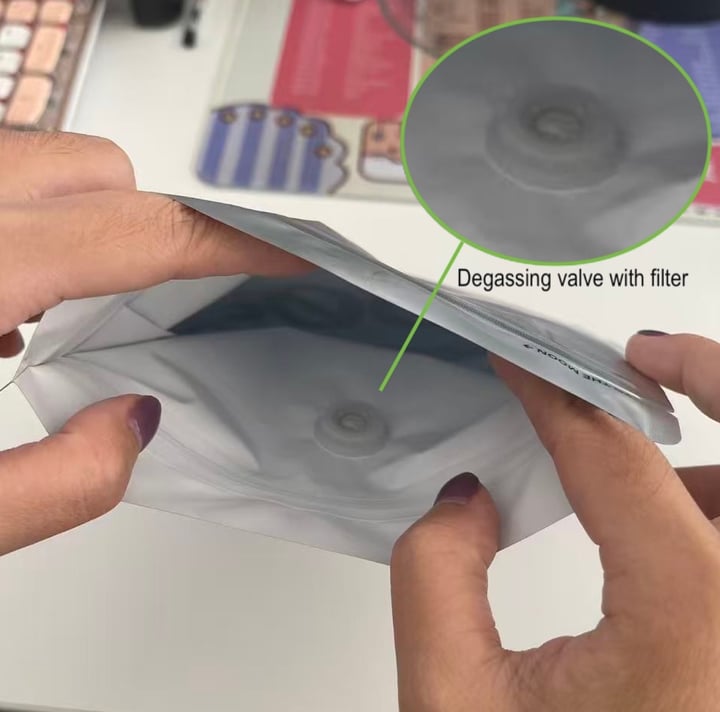
The valve from inside the bag, with its filter. Photo: BioPouches
How to check a coffee bag valve at home
It takes about ten seconds, and you can try it on the next sealed bag that shows up at your door:
- Find the round valve on the front of the bag.
- With the bag still sealed, squeeze it gently with both hands.
- Listen and smell near the valve. If there's enough gas inside, you'll hear a small hiss or catch a puff of coffee smell.
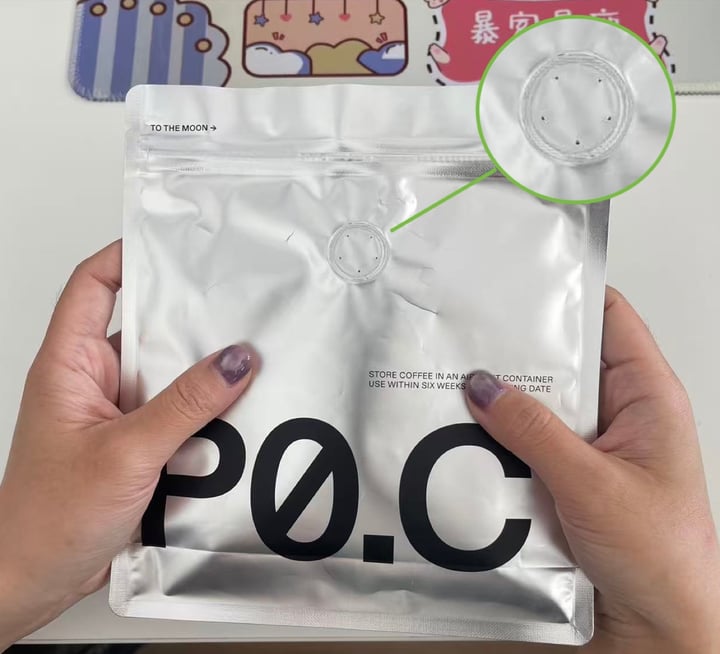
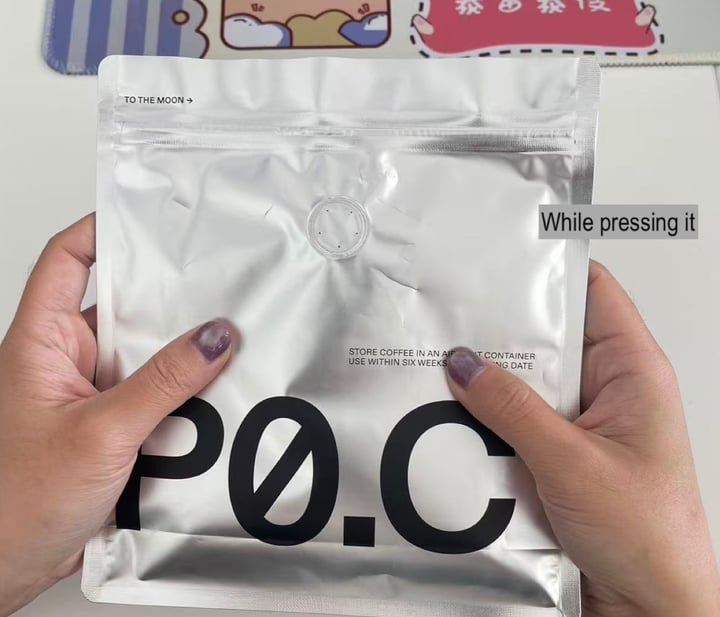
Where to press, and where to smell. Photos: BioPouches
Don't panic if nothing comes out. Older beans have already given off most of their gas, so there may not be enough pressure left to push the valve open. The test also only tells you gas can get out. It can't tell you whether the valve is keeping air from getting in.
When you finish a bag, cut it open and take a look at the valve from the inside. Depending on the design, you'll see the filter, and that button won't be a mystery anymore.
What the coffee bag valve can't do
The valve only works while the bag is sealed. Once you tear the top open, air gets in no matter what the valve is doing. It also can't rescue old coffee.
What it does tell you is something about the roaster. They sealed those beans soon after roasting and let them breathe. Once you open it, that's on you.
What I do once the bag is open
Once a bag is open, my beans go straight into a Fellow Atmos vacuum canister. A few twists of the lid pull the air out. Mine is the 1.2 liter, and it holds about a bag and a half, which covers a lot of morning long blacks.
👉 Check the current price of the Fellow Atmos on Amazon
I also keep a set of single-dose glass tubes. Each tube has its own little one-way valve, the same idea as the bag, just one dose at a time. I wrote more about why in my bean hopper vs single dosing post.
👉 Grab the single-dose storage tubes on Amazon
Wherever they end up, keep them sealed and out of the sun.
Coffee bag valve questions
Should you squeeze the valve to smell the coffee?
Once in a while is fine, and I get the appeal. Every puff is gas and aroma leaving the bag, though, so squeezing it every time you walk past isn't doing the beans any favors. Do the press test once to check the valve, then leave it alone.
Why is my coffee bag puffy?
A puffy bag usually means the beans were roasted recently and are still giving off CO2 faster than the valve lets it out. That's a good sign. A bag that never puffs at all is often just a few weeks past its roast date.
How long do beans stay fresh in a sealed valve bag?
Look for the roast date on the bag, not a best-by date. Most roasters suggest using beans within about a month of roasting for the best flavor. A sealed valve bag helps you get there. It doesn't stretch that window forever.
Do you need to freeze coffee beans in a valve bag?
No. For a bag you'll get through in the next few weeks, airtight and away from heat is plenty. Freezing is for beans you won't get to for a while. I sometimes freeze beans, but the valve has nothing to do with it.
Can you reuse a coffee bag with a valve?
You can refill it, and the valve will still let gas out. Once the top has been torn open, though, the bag only seals as well as its zipper or clip. For anything longer than a few days, I'd move the beans into a proper airtight container.
The final cup
Give your next bag the press test, and once it's open, get those beans into the Atmos or something like it.
The best way to make the valve matter is to buy beans roasted recently. I wrote about where to buy the best freshly roasted coffee if you're still buying from the grocery shelf.
Regardless of which method you choose, you need the right station to support it. I have written deep-dive guides on how I set up for each one, at home and on the road:
- For the consistent drip: My Work From Home Guide to the Best Coffee Setup
- For dialed Espresso: My Work From Home Guide to the Best Espresso Setup
- For coffee on the road: My Guide to the Best Travel Coffee Setup
And remember, the best brewer in the world can't save bad beans. I use Trade Coffee to ensure I always have fresh, single-origin bags ready to grind.

Disclosure: This post contains affiliate links. If you buy something through them, I may earn a small commission, at no extra cost to you. It helps fuel the coffee, the testing, and the writing. Thanks for supporting the work.