Daniel Norris
I independently research and test products to help you make the best choice. As an Amazon Associate I earn from qualifying purchases at no extra cost to you.
The espresso machine portafilter is the handle you lock into the front of the machine, and it is the part of my setup I handle most. I fill it and tamp it every morning, for my long black and for the one I make Jess.
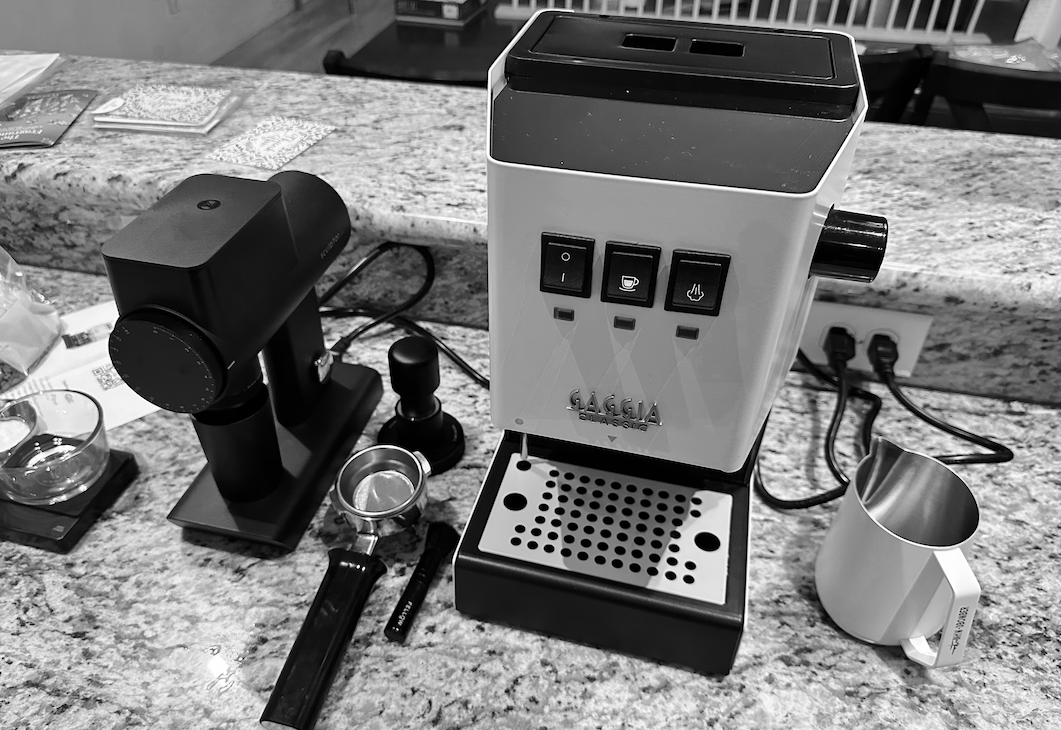
Mine is the 58 mm portafilter on my Gaggia Classic Pro. This guide covers what a portafilter does, what the 58, 54 and 51 mm sizes mean for the tampers and baskets you can buy, how pressurized and standard baskets differ, and when the size stops mattering.
👉 Check the current price of the Gaggia Classic Pro on Amazon
What Is an Espresso Machine Portafilter?
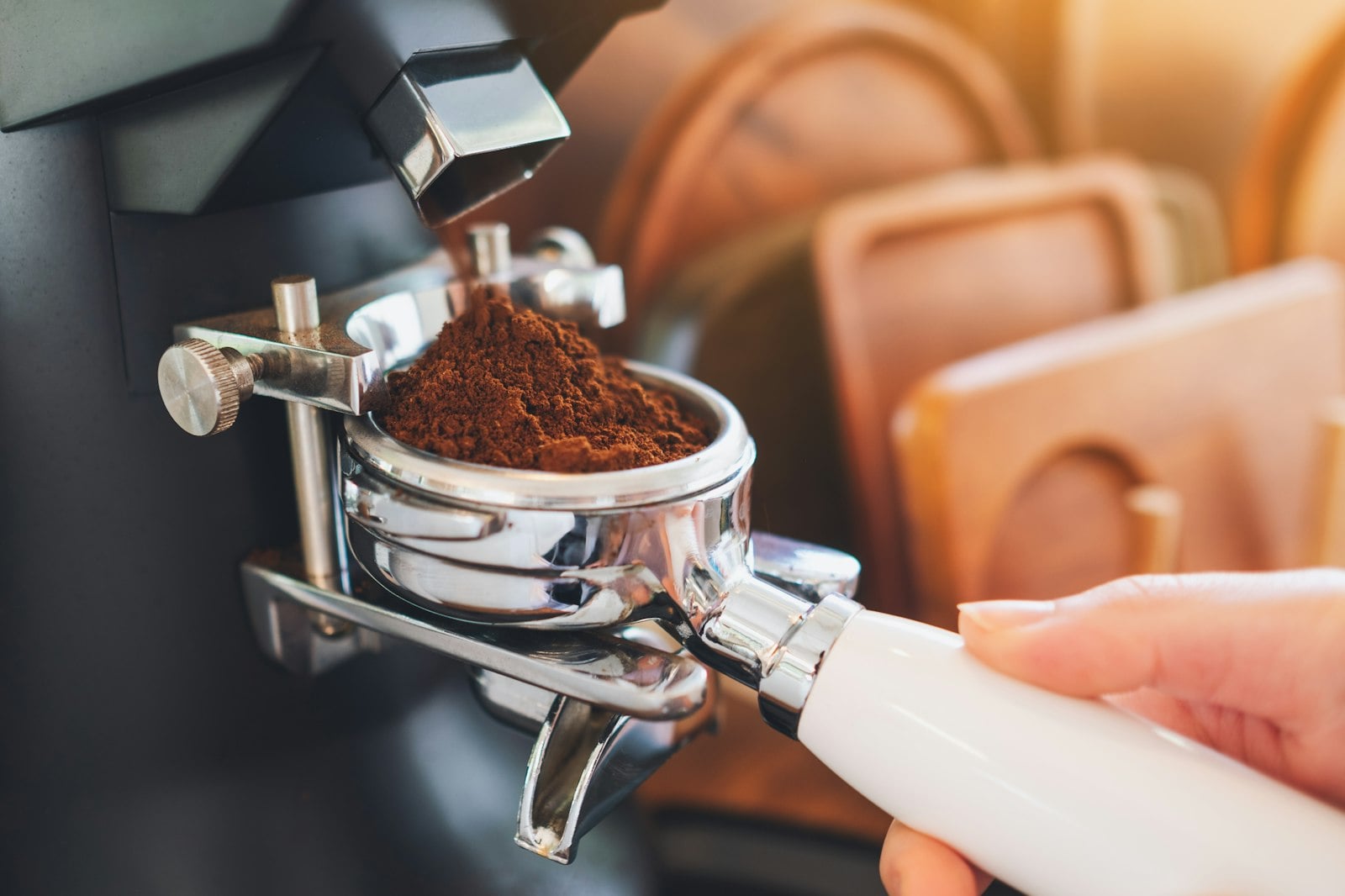
A portafilter is the handle-and-basket assembly that holds your ground coffee while the machine forces hot water through it. The name says what it does: it carries the filter.
It has three parts. The handle is what you hold. The metal body has two small ears that slide into the group head on the machine, and a quarter turn locks it against a rubber gasket so the water has only one way to go. The basket is the removable metal cup that sits inside the body and holds the coffee.
The basket is the part that does the real work. Its floor is a fine screen of tiny holes, and the bed of coffee packed into it, the puck, is what slows the water down enough to make espresso. Underneath, most portafilters have one or two spouts that guide the shot into your cup.
When people talk about portafilter size, they mean the diameter of that basket. It decides which tamper fits, which replacement baskets work and how wide the coffee bed is.
Espresso Machine Portafilter Sizes: 58, 54 and 51 mm
Home machines mostly land on one of three sizes.
58 mm. This is the commercial size, used by most cafe machines, La Marzocco included, and by a lot of prosumer home machines. The Gaggia Classic Pro uses it. La Marzocco is also the bucket-list machine I'd love to own one day, so at least my portafilter and my dream machine agree on something.
54 mm. Breville uses this size on its home machines, including the Barista Express and the Bambino. It is a fine size, and the accessory market for it has grown, but most of what you'll see online is made for 58 mm first. I explain why I'd still pick the Gaggia in my post on skipping the Bambino.
51 mm. Many entry-level De'Longhi machines, such as the Stilosa, use 51 mm. These machines usually ship with pressurized baskets and have the fewest upgrade options. My take on that one is in why I'd skip the De'Longhi Stilosa.
If you don't know your size, check the manual or measure across the inside of the basket rim. Buy a tamper to match the basket, not the outside of the portafilter, because the two are different.
Why a 58 mm Espresso Machine Portafilter Matters
The size isn't magic, and a 54 mm machine can pull a great shot. The difference shows up in everything around the shot.
Accessories fit. Tampers, WDT tools, precision baskets, dosing funnels and puck screens are made in 58 mm first and in other sizes second, if at all. The tamper and WDT tool next to my Gaggia are both standard 58 mm gear, and that makes it easy to improve your puck prep one piece at a time.
Baskets come in more doses. Standard 58 mm double baskets cover the usual home doses, and precision baskets are sold by the gram, so you can match the basket to the dose you actually use. My dose is 18 g.
The advice assumes it. Most recipes, videos and dialing-in guides you'll find are written around 58 mm cafe gear. On a 58 mm machine you can follow them as written, without translating doses for a smaller basket.
Parts are easy to find. Gaskets, shower screens and blind baskets for common 58 mm machines are easy to get, and that keeps an older machine going. For the cleaning side, my guide to how to backflush and descale a Gaggia Classic Pro walks through using a blind basket in the portafilter.
Pressurized vs Standard Portafilter Baskets
This affects the coffee more than the diameter does.
A pressurized basket, also called dual-wall, has a second floor with one small hole in it. The basket itself creates the resistance, so it can make something drinkable from pre-ground coffee or a grinder that can't go fine. The catch is the foam on top. It looks like crema, but it comes from forcing coffee through a pinhole, and it hides how the shot actually extracted.
A standard basket, also called single-wall or non-pressurized, has a floor full of tiny holes and no second wall. Here the coffee puck does all the work. Grind too coarse and the water rushes through. Grind too fine and it chokes. You need a grinder that goes fine enough for espresso and adjusts in small steps.
The payoff is control. With a standard basket, dose, grind and yield all show up in the cup, and you can move one at a time until the shot tastes right. When a shot goes wrong, my guide to why espresso tastes bitter or sour helps you work out which way to move.
A pressurized basket is a reasonable place to start if you buy pre-ground coffee and don't own an espresso grinder yet. Moving to a standard basket makes the grinder the most important thing on your counter.
Spouted vs Bottomless Portafilters
A spouted portafilter has one or two spouts under the basket. The double spout lets you split a shot into two cups or point both streams into one. It is tidy, and it is what most machines ship with.
A bottomless portafilter, sometimes called a naked portafilter, has the bottom of the body cut away so you can see the underside of the basket. It doesn't make better coffee by itself. What it does is show you problems. If water finds a weak spot in the puck, you'll see a thin jet or a spray instead of an even stream, which tells you to look at your distribution and tamp. It is also messier when that happens.
When Portafilter Size Doesn't Matter
When the grinder can't keep up. No portafilter fixes a grinder that can't grind for espresso. My old drip grinder couldn't go fine enough, which is why I moved to the TIMEMORE Sculptor 064S. A good grinder and a scale are the two things I thought I didn't need until I had them.
When you're using a pressurized basket with pre-ground coffee. The basket is doing the work, so the size mostly decides which tamper fits.
When you're choosing a machine. Don't buy a machine for its portafilter alone. I drink espresso every day, and I still think most people would be happier with a good drip machine than a cheap espresso machine. If you do want espresso, size is one good reason among several to pick a 58 mm machine. My home barista starter guide covers the rest.
What I Use With My 58 mm Portafilter
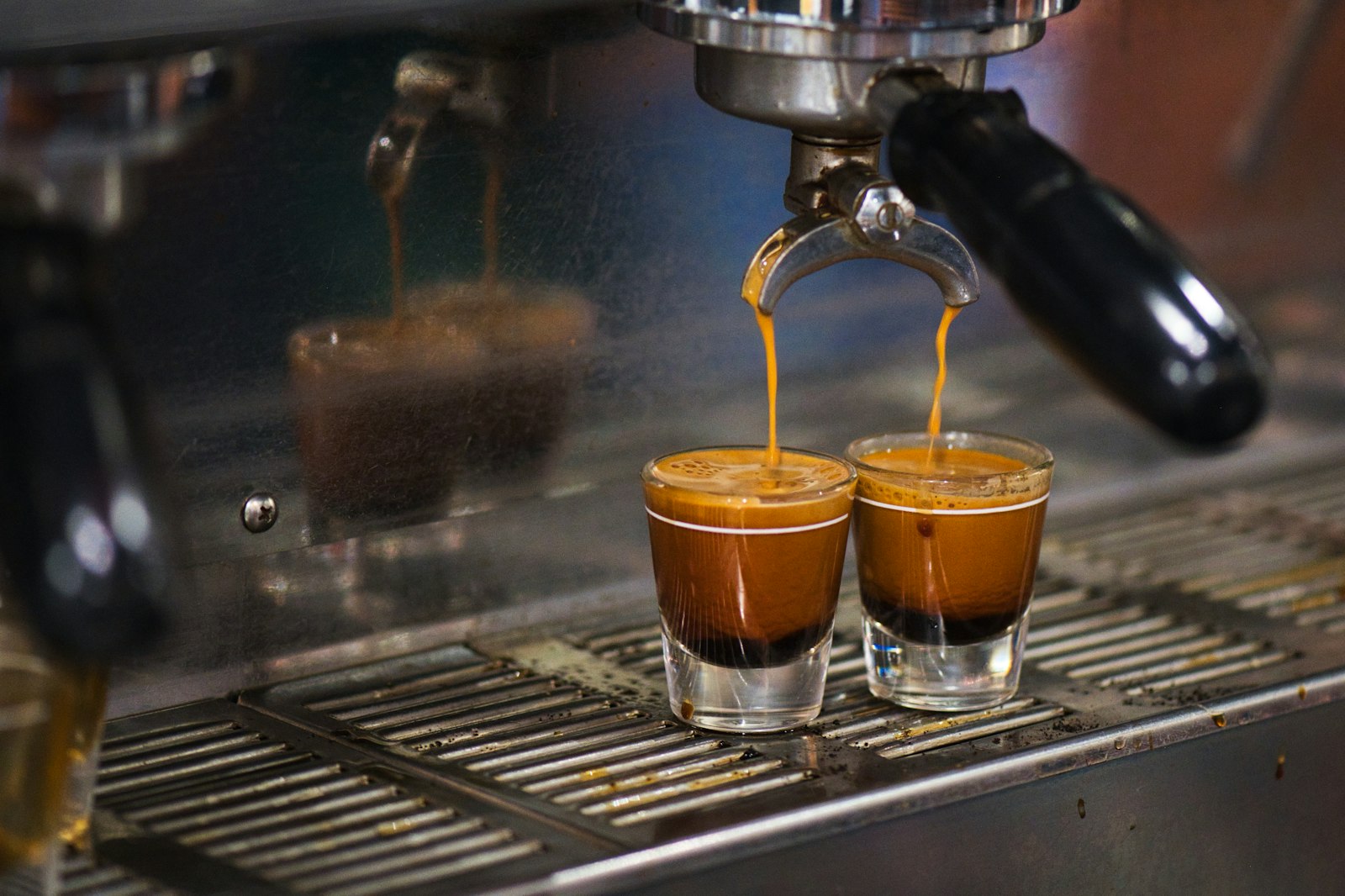
My espresso setup is built around the Gaggia's 58 mm portafilter. My shot is 18 g of coffee in and 36 g of espresso out, and I weigh both every time. Here is what sits next to the machine.
Grinder. The TIMEMORE Sculptor 064S is a single-dose grinder. I weigh 18 g of beans, grind them, and close to all of it ends up in the basket. It is quiet, and low retention means the dose I weigh is the dose I brew.
👉 Grab the TIMEMORE Sculptor 064S on Amazon
WDT tool. Before tamping, I stir the grounds in the basket with a Normcore WDT tool, a set of fine needles that break up clumps so the bed is even. My post on the WDT tool for espresso explains why it helps.
👉 Check the current price of the Normcore WDT tool on Amazon
Tamper. I tamp with the TIMEMORE 58mm tamper. It is heavy stainless steel with a flat base, so it does most of the work of keeping the puck level. If you'd rather not think about tamp pressure at all, my post on the best spring loaded coffee tamper covers that style.
👉 See the TIMEMORE 58mm tamper on Amazon
Scale. The BOOKOO Bluetooth espresso scale sits under the cup. It syncs with Dialed Shots, the iPhone app I built, and I log my shots there.
👉 Grab the BOOKOO espresso scale on Amazon
The Gaggia only takes a few minutes to warm up, and I don't use a timer or a smart plug to speed that up. Part of why I love espresso is that it slows my morning down. My full routine, step by step, is in how I pull an espresso double shot at home.
Where to Go Next
- My Gaggia Classic Pro review: what it is like to live with the machine every day.
- How I pull an espresso double shot: my 18 g in, 36 g out routine and how to dial it in.
- The single dose coffee grinder worth the investment: the grinder half of the setup.
- The WDT tool for espresso: a cheap puck prep upgrade.
- Single boiler espresso machines: why one boiler is enough at home.
- Backflushing and descaling a Gaggia Classic Pro: keeping the group head and portafilter clean.
- Why espresso tastes bitter or sour: reading the shot and fixing it.
Espresso Machine Portafilter FAQ
What size portafilter does the Gaggia Classic Pro use?
58 mm, the same size most cafe machines use. Any 58 mm tamper and most 58 mm baskets will fit.
Can I use a 58 mm tamper in a 54 mm portafilter?
No. A tamper has to match the basket. A 58 mm tamper won't go into a 54 mm basket, and a tamper that is too small for the basket leaves an uneven edge around the puck.
Is a bottomless portafilter better?
Not for the taste by itself. It shows you what is happening under the basket, which makes it a good tool for learning puck prep. A spouted portafilter is tidier for everyday use.
Do I need a new portafilter to make better espresso?
Usually not. A standard basket, a grinder that can go fine enough for espresso and a scale will change your shots far more than a new handle.
A portafilter is a simple part, but its size decides how easy the rest of your setup is to build. For me, the 58 mm portafilter is one of the best reasons to buy the Gaggia.
Once the portafilter and basket are sorted, the next step is setting up the station around the Gaggia Classic Pro, with the grinder, scale and tamper all within reach.
Regardless of which method you choose, you need the right station to support it. I have written deep-dive guides on how I set up for each one, at home and on the road:
- For the consistent drip: My Work From Home Guide to the Best Coffee Setup
- For dialed Espresso: My Work From Home Guide to the Best Espresso Setup
- For coffee on the road: My Guide to the Best Travel Coffee Setup
And remember, the best brewer in the world can't save bad beans. I use Trade Coffee to ensure I always have fresh, single-origin bags ready to grind.
Featured photo by Nguyen Tong Hai Van on Unsplash

Disclosure: This post contains affiliate links. If you buy something through them, I may earn a small commission, at no extra cost to you. It helps fuel the coffee, the testing, and the writing. Thanks for supporting the work.