Daniel Norris
I independently research and test products to help you make the best choice. As an Amazon Associate I earn from qualifying purchases at no extra cost to you.
Pour over coffee equipment is a short list. You need a dripper, a grinder, a kettle, a scale and filters, and you can start with half of it.
The Gaggia is my daily brewer at home, so pour over is what I make when I'm away from it, in hotel rooms and on camping trips, or when I get a special bag I want to try that way. My kit is a glass Hario V60, an electric grinder, a gooseneck kettle, a small scale, and a lunch box I use as the travel case.
👉 Check the current price of the Hario Glass V60 on Amazon
This guide covers what each piece does, which ones matter most, and the gear I actually use, with links to the posts that go deeper on each one.
What Pour Over Coffee Equipment Do You Need?
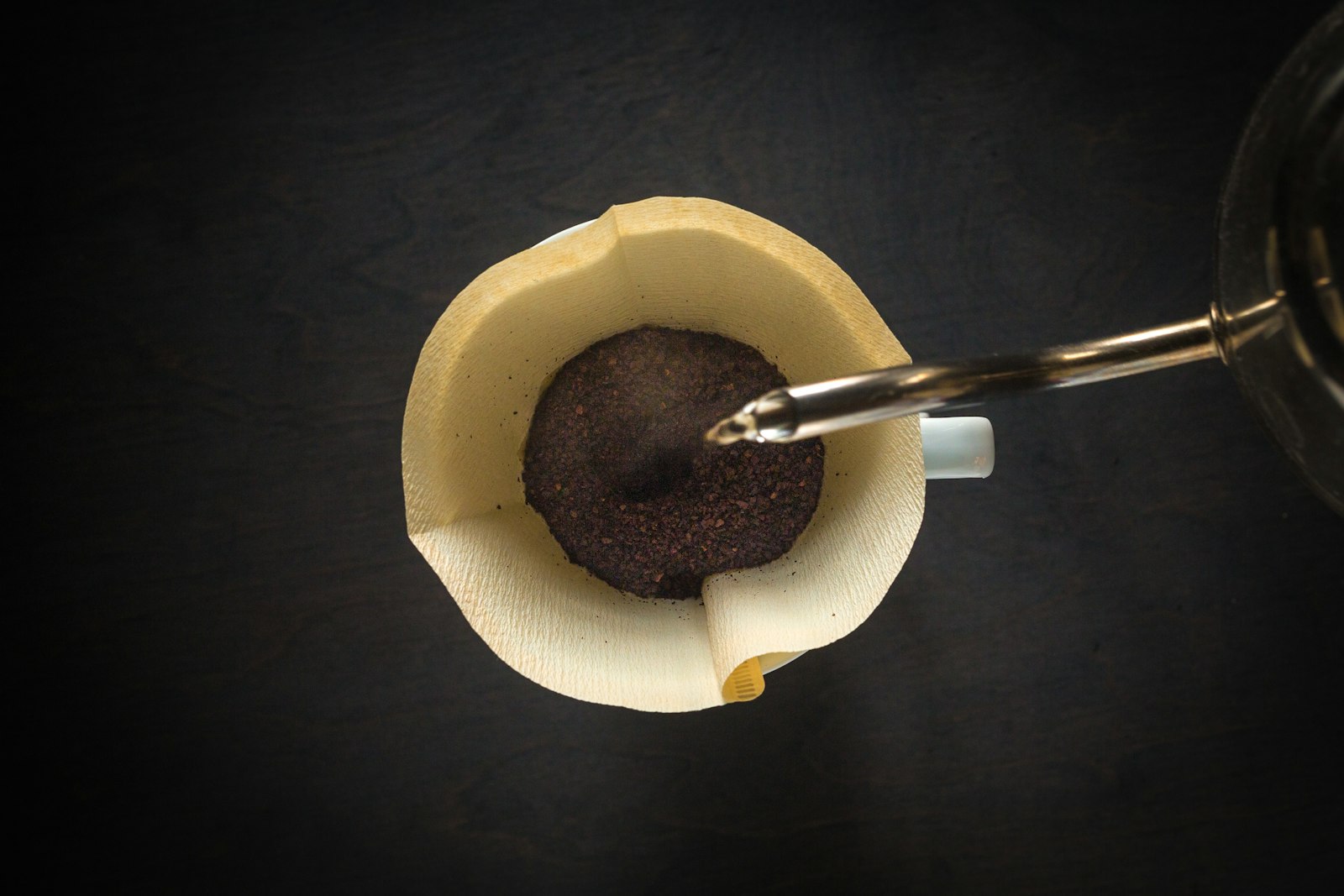
Pour over means you pour hot water over ground coffee by hand, and gravity pulls it through a paper filter into your cup. Because you control the pour, you control how fast the water moves through the coffee. That control is the whole appeal, and it's why the gear around the dripper matters more than the dripper itself.
I'd buy them in this order:
- A dripper. The cone or basket that holds the filter and the coffee.
- A burr grinder. Fresh, even grounds make the biggest difference in the cup.
- A scale. So you can repeat a good cup instead of guessing at it.
- A gooseneck kettle. A thin spout lets you pour slowly and exactly where you want.
- Paper filters. Made for your dripper's shape and size.
If you only buy two things, buy the dripper and a grinder. A scale and a good grinder are the two things I thought I didn't need until I had them, so I'd get to the scale soon after. The kettle is the nice-to-have. You can pour from a regular kettle, you just have to go slower.
The Dripper: Why I Use a Glass V60
The dripper is the cheapest piece of pour over coffee equipment and the one people overthink the most. I use the glass Hario V60, at home and on the road. It's a cone with one big hole at the bottom and spiral ridges on the inside, so the water runs through quickly and you set the pace with how you pour.
A flat-bottom brewer slows the water down and forgives a messy pour, while the V60 leaves more of the cup up to you. I made the full case in my post on V60 vs Kalita and why I prefer my V60.
I've used a Chemex too, and I still prefer the V60. The Chemex makes a bigger batch with a thicker filter, which suits a pot for a few people more than a single cup. My Chemex post covers who it's for.
One note on material. I have the glass V60, not the plastic or metal ones. The plastic V60 is lighter, cheaper, and much harder to break, which is why a lot of people pick it for travel. Glass just needs a case with walls around it, which I get to below.
👉 Grab the plastic V60 on Amazon
For everything about the dripper itself, start with my Hario V60 pour over coffee maker post.
The Grinder Matters More Than the Dripper
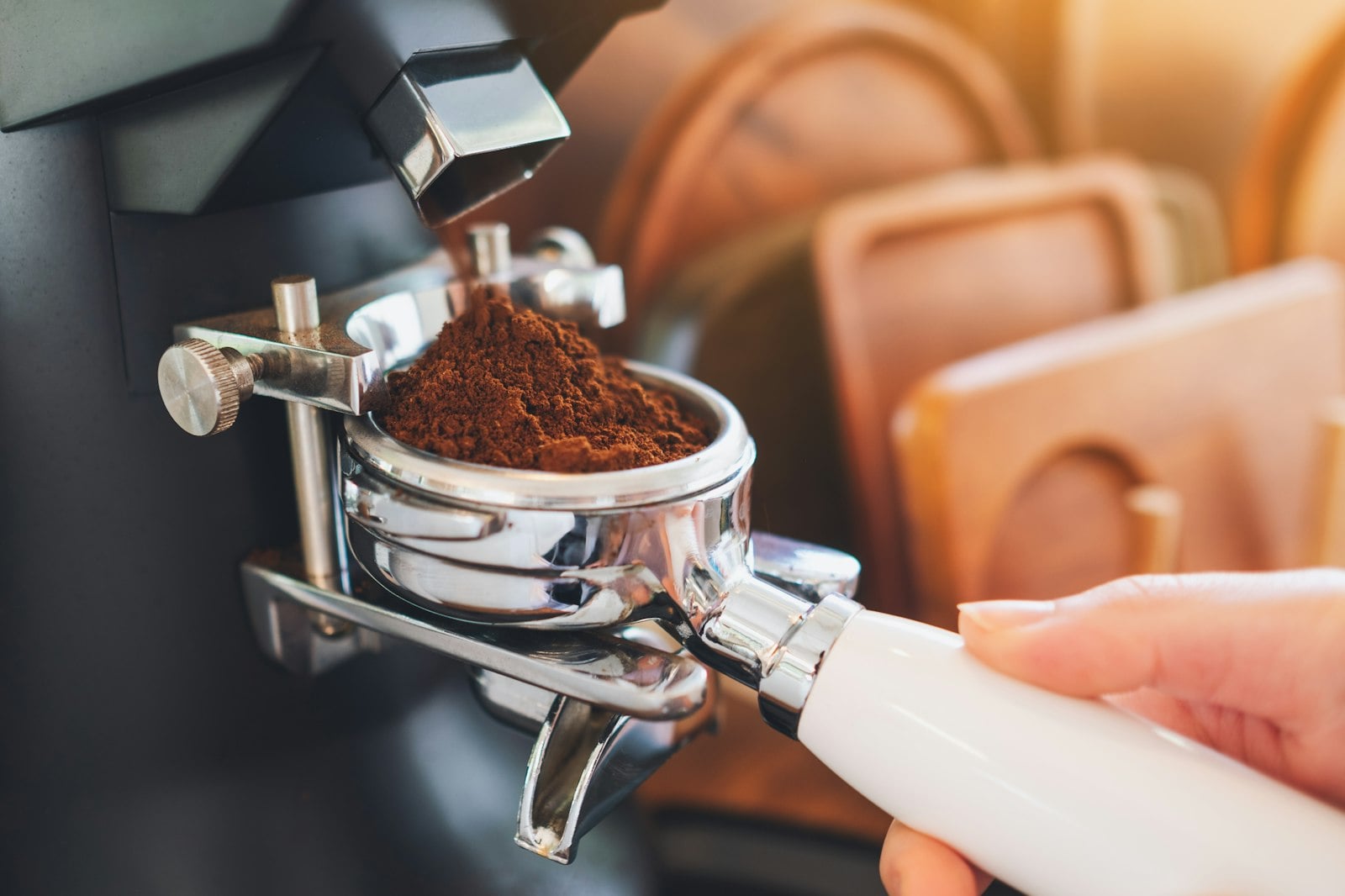
Pour over is less forgiving of bad grounds than most methods. The water runs through fast, so stale coffee tastes flat and uneven grounds taste sour and bitter in the same cup. Grind right before you brew. Even a cheap burr grinder beats pre-ground.
I started on a blade grinder back when I made French press, and my grinders got better from there. For pour overs now, at home and away, I use the OutIn Fino Portable Electric Grinder. It's battery powered and charges over USB-C, so it works in a hotel room or at a campsite with no outlet. Before it I used hand grinders, mostly when travelling.
👉 Grab the OutIn Fino on Amazon
My full write-up is in my travel grinder review. If you want a grinder that stays on the counter and brews for more than one person, my guide to the best burr grinder for pour over goes through the options.
The Kettle and the Scale
A gooseneck kettle has a long, thin spout. It lets you pour a slow, steady stream in small circles instead of dumping water on the coffee all at once, so one cup comes out closer to the last.
Mine is the electric Fellow Stagg EKG. I use it every day, especially for the hot water in my long blacks. If you already own a regular kettle, start with that and pour slowly. Add the gooseneck when you want your cups to match.
👉 Check the current price of the Fellow Stagg EKG on Amazon
The scale is how you repeat a cup you liked. I weigh everything. My travel scale is the Maestri House Mini scale, which is compact, and I still use it. Whichever you buy, get one with a timer so you can track how long the brew takes.
👉 Grab the Maestri House Mini scale on Amazon
Filters, Beans, and Storage
Buy filters made for your dripper, in the right size. V60 filters are cones sized by number, and the 02 is the common size for one or two cups. Rinse the paper with hot water before you add coffee. It warms the dripper and takes away the papery taste.
Beans matter more than any of the gear. Fresh, light to medium roasts are where pour over shines, because the clean cup lets you taste what the roaster was going for. I get rotating single-origin bags from Trade Coffee, and it's where I point anyone new to pour over who doesn't know where to start.
Keep the beans away from air once the bag is open. I use a Fellow Atmos vacuum canister, which holds about a bag and a half. More on that in my post on preserving coffee.
👉 Grab the Fellow Atmos canister on Amazon
Pour Over Coffee Equipment for Travel
I bring my travel kit on every camping trip, and it's how I make my own coffee in hotel rooms. On the road I drink it black.
The kit rides in a YETI Daytrip Lunch Box, the 5 liter one. It's insulated and soft-sided, and the V60, filters and the Fino all go inside it.
👉 Check the current price of the YETI Daytrip Lunch Box on Amazon
I also own an AeroPress. It's tougher than a glass cone, but it's slow when two people want coffee, so the V60 is what I pack. I compared them in AeroPress vs pour over, and my travel coffee setup guide has the full road kit.
A Simple Starting Recipe
My own V60s follow James Hoffmann's method, and his videos are where I'd send anyone learning pour over. If you want something simpler for your first few cups, this is a common place to start. Treat it as a baseline and change one thing at a time.
- Heat water to just off the boil.
- Weigh about 15 g of beans and grind them medium-fine, a little finer than you would for a drip machine.
- Rinse the filter in the V60, dump the rinse water, add the coffee, and tare the scale.
- Pour about 40 g of water to wet all the grounds and wait 30 seconds while the coffee puffs up and releases gas. That's the bloom.
- Pour the rest in slow circles until the scale reads 250 g.
If it tastes sour or thin, grind a little finer. If it tastes bitter or the water stalls, grind a little coarser. That's most of dialing in pour over.
My Pour Over Coffee Equipment, All in One Place
- Dripper: the glass Hario V60, home and travel.
- Grinder: the OutIn Fino, for pour overs at home too.
- Kettle: the Fellow Stagg EKG, which I use every day.
- Scale: the Maestri House Mini, small enough to travel with.
- Travel case: the YETI Daytrip Lunch Box.
- Beans and storage: Trade Coffee and the Fellow Atmos canister.
If I had to start over, I'd buy the V60 and a grinder first, then the scale, then the kettle. That's the next small step version of this list, and it's how most people should build it.
Where to Go Next
- Hario V60 pour over coffee maker: the dripper I use, and how I travel with it.
- V60 vs Kalita: cone or flat bottom, and why I stick with the cone.
- Drip coffee vs pour over: which one most people should pick.
- French press vs pour over: what changes when you move from the press.
- Best burr grinder for pour over: counter grinders for brewing at home.
Pour Over Equipment FAQ
What is the minimum equipment for pour over coffee? A dripper, filters and ground coffee. Add a burr grinder next, then a scale.
Do I need a gooseneck kettle for pour over? No. It makes your pour slower and more even, which helps you repeat a cup, but a regular kettle works if you pour slowly.
Is a glass or plastic V60 better? They brew close to the same. Glass looks nicer and needs care when you travel. Plastic is light and hard to break.
Can I use pre-ground coffee for pour over? You can, but pour over shows off stale coffee more than most methods. Grinding fresh is the biggest upgrade on this list.
Pour over coffee equipment doesn't have to be a big purchase. A glass V60, a decent grinder and a scale cover most of it, and the kettle makes a good cup easier to repeat.
If pour over is your travel brew like it is for me, the next step is the setup around your everyday coffee, so both ends of the counter work well.
Regardless of which method you choose, you need the right station to support it. I have written deep-dive guides on how I set up for each one, at home and on the road:
- For the consistent drip: My Work From Home Guide to the Best Coffee Setup
- For dialed Espresso: My Work From Home Guide to the Best Espresso Setup
- For coffee on the road: My Guide to the Best Travel Coffee Setup
And remember, the best brewer in the world can't save bad beans. I use Trade Coffee to ensure I always have fresh, single-origin bags ready to grind.
Featured photo by Patrick Fore on Unsplash

Disclosure: This post contains affiliate links. If you buy something through them, I may earn a small commission, at no extra cost to you. It helps fuel the coffee, the testing, and the writing. Thanks for supporting the work.